Crochet Basic Stitches
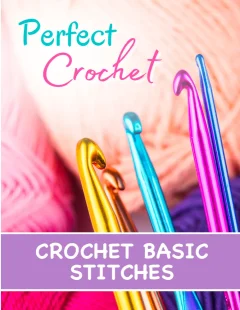
A step-by-step stitch reference from chain to triple treble, with separate chapters for right- and left-handed crocheters and a guide to blocking.
The Crochet Bible · 99 pages · PDF
Tools, grips, first stitches and your first finished project
A friendly first book that explains crochet tools, hook grips and the chain stitch, then guides you through an easy first project.
Learning to crochet feels awkward for the first hour and oddly natural by the end of the week. This crochet for beginners PDF is written for that first stretch, when you're not yet sure what to buy, how to hold the hook or why your chain keeps twisting.
The tools chapter goes through everything that ends up in a crochet bag: yarn or thread, hooks, tapestry and darning needles, scissors, tape measure, stitch markers, pins, a gauge ruler, row counter, metal hook gauge, bobbins, hook organizer and case. It also introduces the longer afghan hook used for Tunisian work. The advice for a first purchase is practical: choose an inexpensive, smooth, medium-weight yarn (look for the number 4 symbol on the label) and skip slippery or heavily textured yarns that hide your stitches.
Chapter 4 is the heart of the book. You compare the pencil grip and the knife grip, read tips on hand comfort and taking breaks, and then learn the beginning stitch that every project is built on. A first project follows: a simple loop scarf made entirely from the chain stitch, finished with a wrapped center and optional buttons. The chapter then shows other ways to use the humble chain.
Chapter 5 previews the techniques you'll grow into: adding a new thread, counting stitches, simple edging, increasing and decreasing, making curves, crab stitch edgings, joining loops and colorwork. It also introduces Bruges lace, broomstick lace, Tunisian crochet and mesh techniques, so you know what's possible later.
For context, the opening chapters trace the history of crochet from early hook tools to Irish lace and the twentieth century, and compare crochet with knitting. A bonus chapter explains how to share the craft with a child, including what age to start and why larger hooks and chunky yarn help small hands.
By the last page you'll know your way around the tools, hold the hook comfortably and have a finished piece to show for it.
The book recommends an inexpensive, smooth acrylic or wool yarn in a medium weight, marked with the number 4 symbol on the label. Avoid slippery, fuzzy or heavily textured yarns at first, because they make it hard to see where each stitch sits, which slows down learning and gets frustrating quickly.
Yes. After learning the chain stitch you make a simple loop scarf entirely from chains, joined into loops and finished with a wrapped center. It is a quick, satisfying first piece, and the book explains how to make it thicker with chunkier yarn or two strands held together.
This book focuses on getting started: tools, grips, the chain and an overview of techniques you'll grow into. For a full, step-by-step stitch reference, including separate left-handed instructions and blocking, pair it with Crochet Basic Stitches, which is the natural next book in the collection.
A step-by-step stitch reference from chain to triple treble, with separate chapters for right- and left-handed crocheters and a guide to blocking.
Go beyond the basics with circles and spirals, buttonholes, borders, beads, sequins and cords, plus a tour of more than 25 crochet styles.
Decode abbreviations, symbols, gauge and US versus UK terms so you can follow any written or charted crochet pattern with confidence.
More than 40 easy crochet patterns for the kitchen, home, wardrobe and gift list, plus washing instructions and answers to common questions.
A compact introduction to Tunisian crochet: the long hook, the two-pass method, nine core stitches, shaping, binding off and textured patterns.
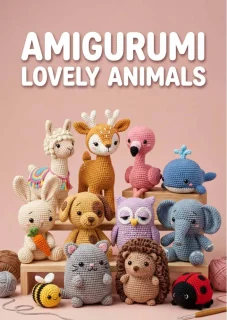
Twelve detailed amigurumi animal patterns, from an octopus and seahorse to a sloth, puppy, piggy and sleepy sheep.
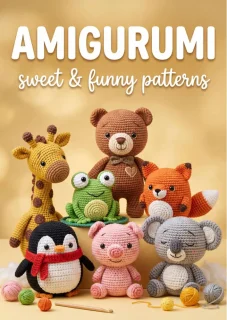
Cute amigurumi patterns for a bunny, dragon, turtle, elephant, giraffe, penguin, little dino, unicorn and more, from beginner to intermediate.
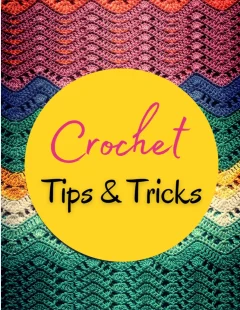
A short, practical guide packed with organizing hacks, tension advice and fixes for the most common crochet mistakes.