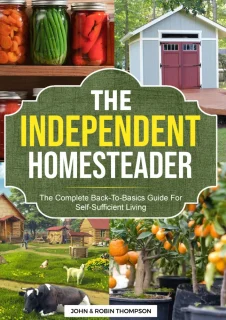
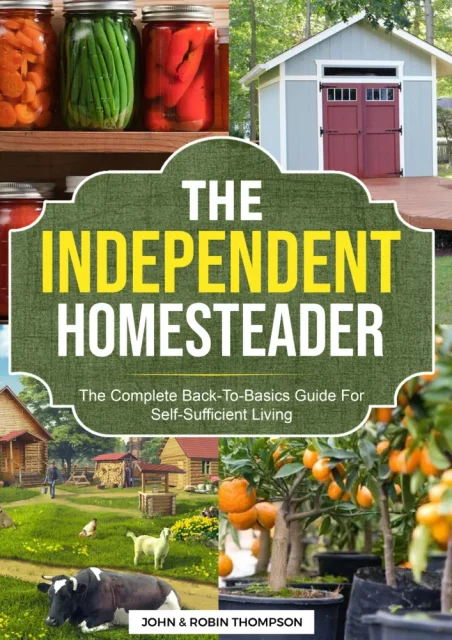
The Independent Homesteader
The big-picture guide to starting a homestead, from choosing land and reading soil to water, off-grid power, waste systems and simple builds.
9 guides · 1,268 pages · PDF
Nine down-to-earth PDF guides that take you from planning a small homestead to filling the pantry with food you grew, raised and preserved yourself.
One-time payment. No subscription.
Planning, gardening, poultry, preserving and selling are covered in nine connected guides, so you are not piecing together advice from scattered sources.
Apartment, urban, small and large homesteads are all addressed, with container methods for balconies and a greenhouse guide for year-round growing.
Learn soil texture and pH, companion planting, seed starting, succession planting and natural pest control that keeps chemicals out of your food.
Choose breeds, build or adapt a coop, set up nesting boxes, feed correctly at each stage and spot common health problems early.
Hundreds of canning, pickling and fermenting recipes, plus clear explanations of acidity, pressure, altitude and botulism prevention.
Instant-download PDFs that work on any device and print well, so the recipe or checklist can come with you to the garden or the stove.
The big-picture guide to starting a homestead, from choosing land and reading soil to water, off-grid power, waste systems and simple builds.
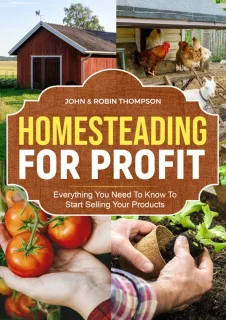
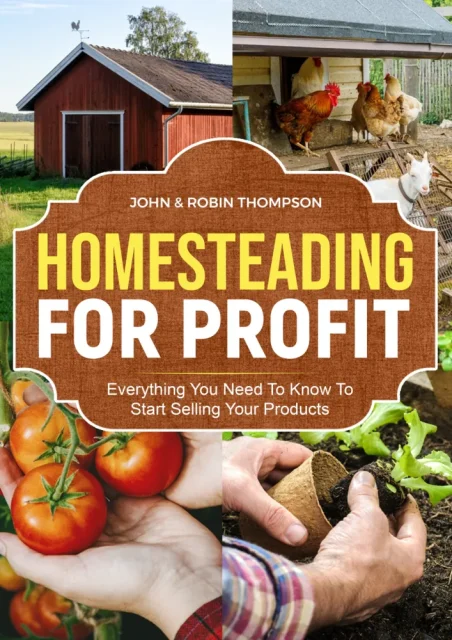
A compact, candid guide to turning homestead surplus into income, from gifting and farm stands to selling as a small merchant or commodity farmer.
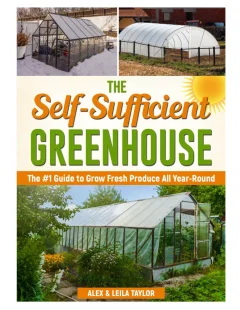
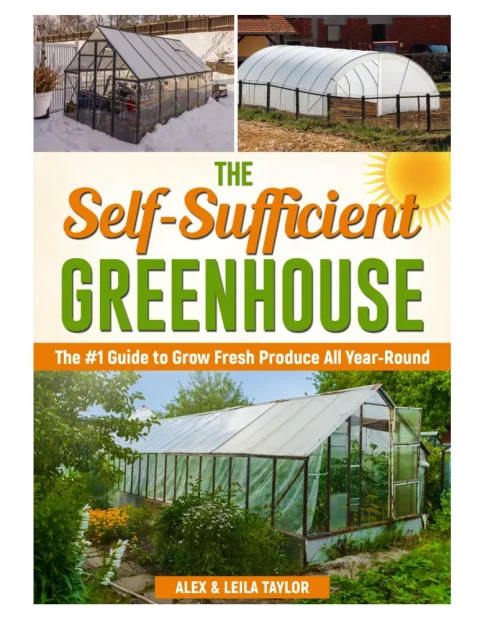
A start-to-finish guide to planning, building and growing in a greenhouse, with a year-round planting schedule and a hydroponics primer.
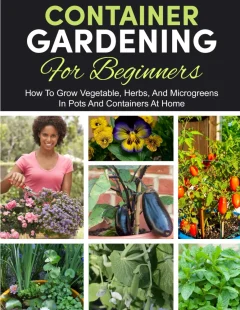
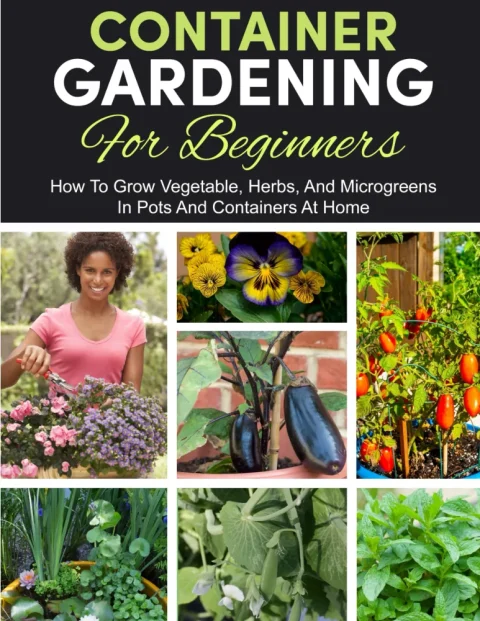
Grow vegetables, herbs, microgreens, ornamentals and even dwarf citrus in pots, with chapters on companion planting, feeding, pests and harvest.
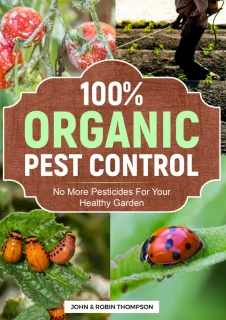
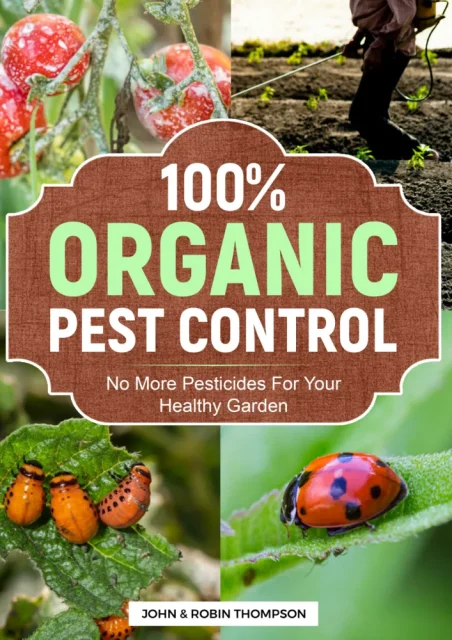
A quick, focused guide to spotting common greenhouse pests and diseases and managing them with natural, chemical-free methods.
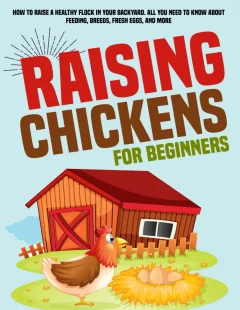
Everything a first-time flock owner needs, from local laws and breed choice to coops, feed, health, brooding, eggs and running a small poultry business.
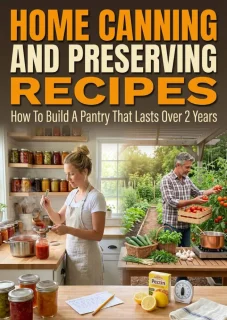
A savory canning cookbook with 66 recipes for stocks, soups, sauces, poultry, red meat, pork and fish, plus the basics of equipment and safety.
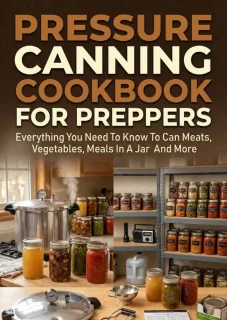
A complete pressure canning cookbook with 109 recipes, clear safety chapters on botulism and altitude, and a bonus printable altitude and conversion chart.
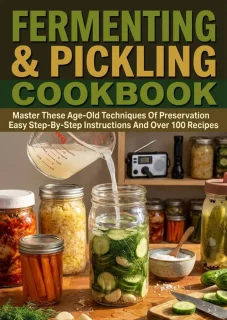
101 recipes that explain the difference between fermenting and pickling, from sauerkraut and kimchi to dill pickles, kombucha, yogurt and chutneys.
Self-sufficient living rarely starts with forty acres and a tractor. More often it starts with a few pots on a balcony, a secondhand greenhouse, three hens and a canner that has been sitting in its box for a year. The Homesteader's Bible is built for exactly that stage. It gathers nine practical guides into one collection so you can learn each skill in the order you will actually need it, whether you live on a rural plot, a suburban lot or in an apartment.
The collection covers the whole loop of a working homestead. You start with the big picture: choosing and mapping land, reading your soil and growing zone, and planning water, power, heating, waste and fencing. Then you learn to grow, both in containers for small spaces and in a greenhouse for longer seasons, and how to keep pests in check without harsh chemicals. Next come the animals, with a complete beginner's guide to choosing breeds, building a coop, feeding a flock and collecting eggs. Finally you learn to put the harvest by and, if you want, to sell what you cannot use.
Canning is where a small mistake matters most, so the preserving guides explain why low-acid foods such as vegetables, meat, poultry, beans and fish belong in a pressure canner, how altitude changes your processing pressure, and how to recognize and avoid the conditions that allow botulism. The pressure canning cookbook also comes with a separate altitude and measurement chart you can print and keep beside the stove. We always recommend checking each recipe against current USDA home canning guidance before you start.
Every guide is an instant-download PDF that reads comfortably on a phone, tablet or computer and prints cleanly for the kitchen, the potting bench or the coop.
Begin with The Independent Homesteader. It gives you the map: the four types of homesteading, how to judge land and soil, and how water, power, heat, waste and fencing fit together. Keep it nearby as your reference for the rest of the collection.
Next, start growing. If space is tight, read Container Gardening for Beginners and have a pot of herbs or a tray of microgreens going within a week. When you are ready to stretch the season, move on to The Self-Sufficient Greenhouse, and pair it with 100% Organic Pest Control so aphids and whiteflies do not undo your work.
Once the garden is producing, add animals with Raising Chickens for Beginners. Then learn to preserve. Read Pressure Canning for Preppers first for the safety foundations and altitude chart, then cook through Home Canning & Preserving Recipes and the Fermenting & Pickling Cookbook.
Finish with Homesteading for Profit when your shelves are full and the eggs keep coming.
The Homesteader’s Bible
Worth $91.91 if bought separately
The collection contains nine PDF guides: The Independent Homesteader, Homesteading for Profit, The Self-Sufficient Greenhouse, Container Gardening for Beginners, 100% Organic Pest Control, Raising Chickens for Beginners, Home Canning & Preserving Recipes, Pressure Canning for Preppers (with a separate altitude and conversion chart PDF) and the Fermenting & Pickling Cookbook. Together they cover planning, growing, poultry, preserving and selling surplus.
No. The Independent Homesteader describes apartment and urban homesteading alongside small and large rural plots, and Container Gardening for Beginners shows how to grow vegetables, herbs, microgreens and even dwarf citrus in pots. Many core skills, including canning, pickling and fermenting, need only a kitchen. You can build experience now and scale up if you move to more land later.
Yes. The guides assume no prior experience and explain the basics before moving on, from what soil pH means to how a pressure canner builds heat. If you are new to everything, start with The Independent Homesteader for the overview, then pick up whichever skill matches your season: planting in spring, chickens when you have a coop ready, preserving when the harvest arrives.
The preserving guides explain the core safety principles: low-acid foods such as vegetables, meat, poultry, beans and seafood must be pressure canned, processing pressure must be adjusted for altitude, and botulism risk is managed through correct acidity, heat and time. Home canning guidance is updated from time to time, so always check each recipe against current USDA or National Center for Home Food Preservation guidance before processing.
Every title is a PDF delivered as an instant download after checkout. PDFs open on phones, tablets, laptops and desktop computers with free reader apps, and you can print a whole book or just the pages you need, such as a recipe, the altitude chart or a coop checklist, to keep in the kitchen or garden shed.
Each guide has its own page, so you can start with the single skill you need most, such as raising chickens or pressure canning. The collection is designed so that the books build on each other, and the reading order on this page shows how they connect if you decide to add more later.
The dedicated animal guide is Raising Chickens for Beginners, which covers breeds, coops, feeding, health, brooding, eggs and even running a small poultry business. The Independent Homesteader also discusses small livestock for different homestead sizes and living with farm-friendly dogs and barn cats. Larger livestock such as cattle and goats are mentioned only in passing.
Homesteading for Profit explains four tiers of selling, from giving surplus as gifts to selling at a farm stand or feed store, running a small merchant operation or producing commodities at scale. It also covers legal considerations for meat, poultry, eggs and dairy, plus marketing basics like defining your product and telling your story. Check local rules before selling any food.
Self-sufficiency is not a single leap. It is a series of small, satisfying skills: a first harvest of radish microgreens, a first warm egg from the nesting box, a first shelf of jars that sealed with a ping. The Homesteader's Bible gives you a clear path through each one, in plain language, with recipes and plans you can use straight away.
Download the guides, pick the chapter that fits this season, and start building the homestead you have been picturing, one practical step at a time.
Checkout opening soon
Eight reliable laying breeds compared on egg numbers, temperament and hardiness, plus practical tips to keep your hens laying well.
Learn which foods can go in a boiling water bath and which must be pressure canned, how altitude changes the process and how to avoid botulism.