The Art of Herbalism for Beginners
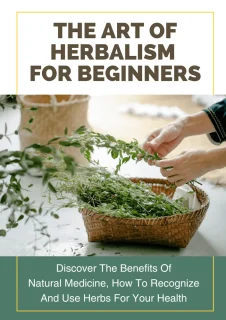
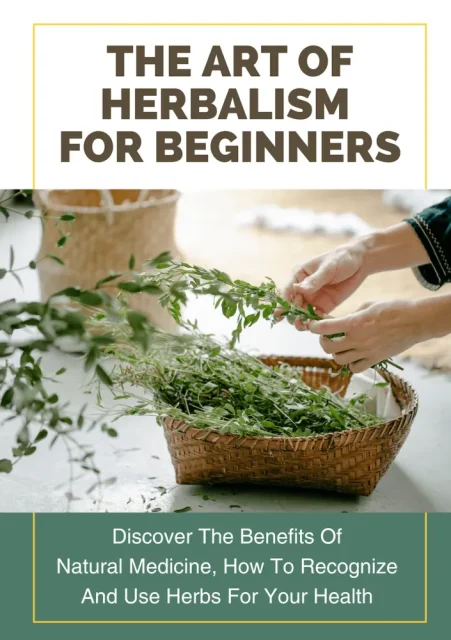
A compact starter guide to how herbs work, what supplies you need and which plants and essential oils belong in a home herbal kit.
8 guides · 819 pages · PDF
Eight practical PDF guides to the plants, teas, salves and kitchen traditions people have leaned on for centuries, written for curious beginners and organized so you can start with one cup of tea.
One-time payment. No subscription.
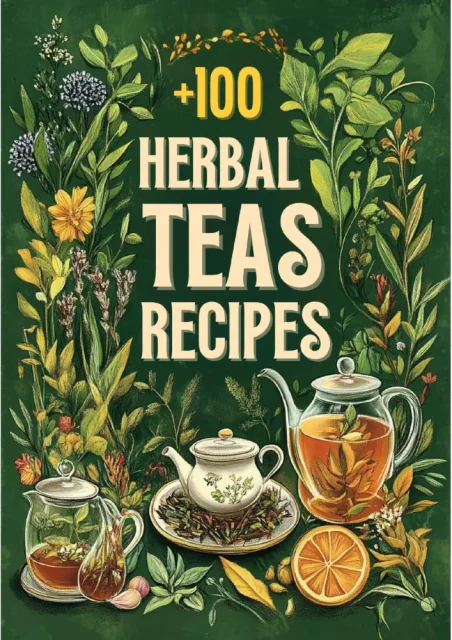
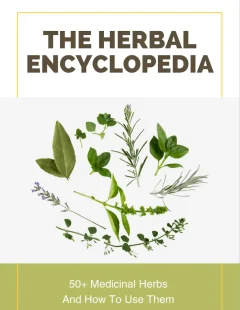
Fifty herb profiles cover scientific names, plant families, habitats, traditional uses and cautions, so you understand a plant before you brew it.
Blends are grouped by body system and by time of day, with brewing temperatures and steeping times listed for every cup.
Follow step-by-step methods for tinctures, salves, balms, lotions, sprays and elixirs using jars and tools you probably already own.
Whole-food recipes and 100 juices show how herbs and produce fit into ordinary breakfasts, lunches and dinners.
Cautions, allergy notes and reminders to check with a professional appear throughout, because natural does not automatically mean harmless.
Every guide is an instant PDF download that works on your phone in the garden or printed and clipped inside a kitchen cupboard.
A compact starter guide to how herbs work, what supplies you need and which plants and essential oils belong in a home herbal kit.
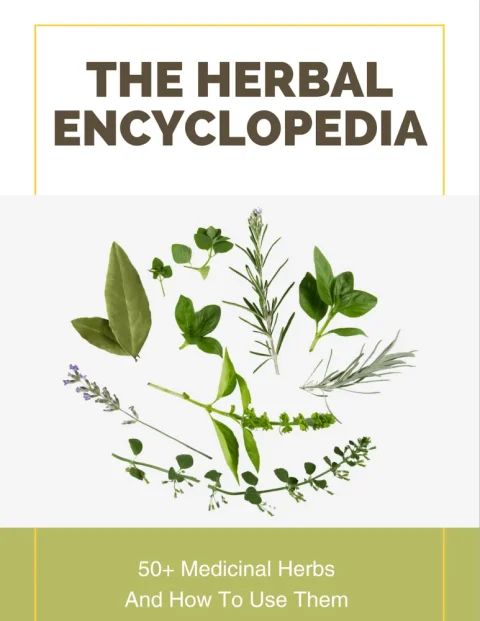
An A-to-Y reference of 50 plants, each profiled with its scientific name, family, habitat, traditional uses, preparation ideas and cautions.
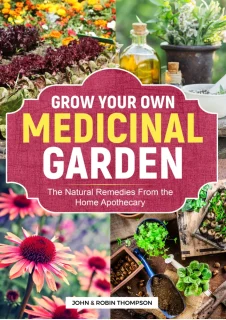
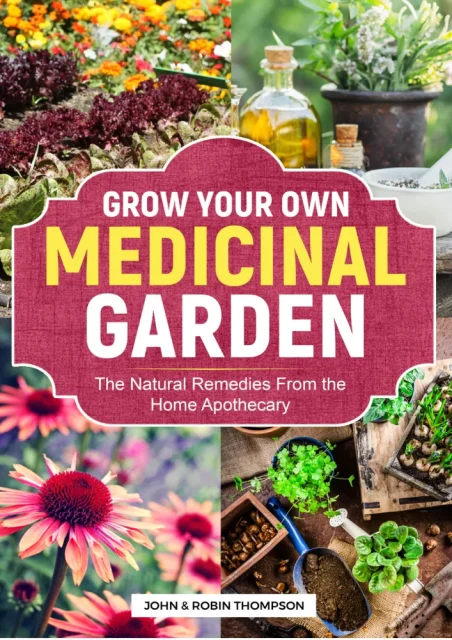
Simple teas and home preparations built around familiar garden plants such as peppermint, chamomile, ginger, thyme, calendula and lavender.
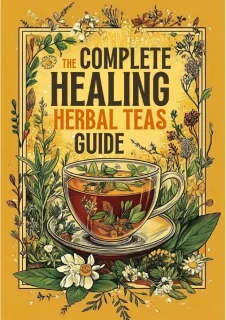
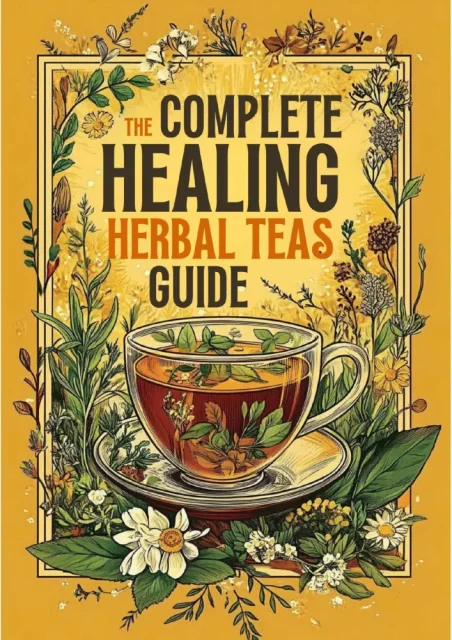
Everything around the cup: tea history, brewing technique, choosing quality herbs, six tea profiles, growing your own and storing it well.
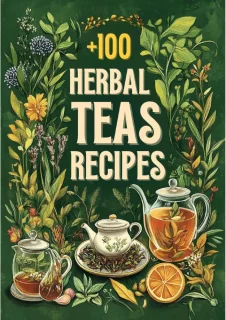
110 step-by-step herbal tea recipes arranged in seven themed chapters, each listing tea type, prep time, water temperature and ingredients.
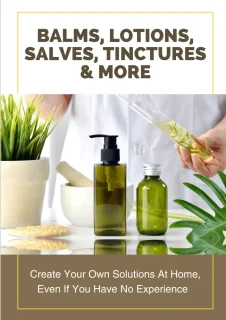
A hands-on workbook for crafting tinctures, salves, balms, lotions, powders, sprays and elixirs at home, step by step.
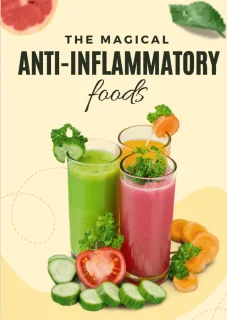
A whole-foods cookbook explaining inflammation basics and everyday habits, with 47 recipes built around vegetables, legumes, fish, herbs and spices.
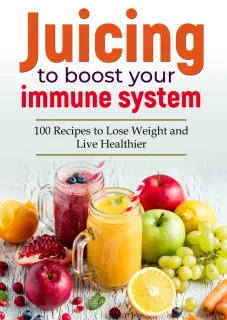
A beginner-friendly juicing book with 100 fruit and vegetable recipes, a chapter on healthy add-ins and a handy measurement conversion chart.
Herbal remedies are one of the oldest kitchen skills there is. Long before supermarket aisles, people brewed chamomile after a long day, simmered ginger when a stomach felt unsettled and rubbed calendula balm into dry, work-worn hands. The Herbal Remedies Bible gathers that everyday know-how into eight downloadable guides so you can learn it at your own pace, from your own kitchen.
The collection moves from understanding plants to actually making things with them. You will find a 50-plant encyclopedia with scientific names, traditional uses, preparation notes and cautions for each herb; a beginner's primer on how herbs work and what belongs in a home herbal kit; and a history-rich tea guide that covers brewing temperatures, infusion methods, storage and growing tea herbs in small spaces.
Then the hands-on part begins. One book collects 110 herbal tea recipes arranged by body system and time of day. Another walks you through tinctures, salves, balms, lotions, sprays and elixirs step by step. Two food-focused titles round things out: a whole-foods cookbook built around ingredients often described as anti-inflammatory, and a juicing guide with 100 fruit and vegetable recipes.
Every guide is written in the language of tradition and everyday wellness, not medicine. Herbs are genuinely potent: some interact with prescription drugs, some are not suitable during pregnancy, and wild plants must be identified with certainty. Use these books to learn what different cultures have traditionally used each plant for, and bring any health question to a doctor, pharmacist or qualified herbalist.
This guide is for educational purposes only and is not medical advice; talk to a qualified healthcare provider before using herbs, especially if you are pregnant, nursing or taking medication.
Begin with The Art of Herbalism for Beginners. It is short and explains how herbs are classified, what their active constituents are and which supplies belong in a starter kit. Keep The Herbal Encyclopedia open beside it as your reference: whenever a plant is mentioned in another book, look up its profile and cautions there first.
Next, learn to brew properly with The Complete Healing Herbal Teas Guide, which covers water temperature, steeping times, infusers and storage. Once the technique feels natural, work through 100+ Herbal Tea Recipes one chapter at a time.
When you want to use herbs beyond the teacup, move on to Balms, Lotions, Salves & Tinctures for hands-on projects, and to Grow Your Own Medicinal Garden for simple preparations based on familiar garden plants such as peppermint, thyme and lavender.
Finally, bring it all to the table. The Magical Anti-Inflammatory Foods offers complete meals built around herbs, spices and whole foods, and Juicing to Boost Your Immune System adds 100 fruit and vegetable juices for variety in your daily routine.
The Herbal Remedies Bible
Worth $76.92 if bought separately
The collection contains eight PDF guides: a beginner's herbalism primer, a 50-herb encyclopedia, a garden remedies guide, a complete herbal tea guide, 110 herbal tea recipes, a salves and tinctures workbook, a whole-foods anti-inflammatory cookbook and a 100-recipe juicing book. Each can be bought individually, and together they form a step-by-step path from understanding herbs to using them in your kitchen.
Yes. The guides assume no prior knowledge. The beginner's primer explains basic terms, the encyclopedia gives a consistent profile for each plant, and the recipe books list ingredients and steps clearly. If you can boil water and measure a teaspoon, you can follow along. Start with the suggested reading order above for the smoothest learning curve.
No, and you should be cautious of any source that does. Our descriptions focus on how plants have traditionally been used and how they may help support everyday wellbeing. Herbal remedies are not a substitute for diagnosis or treatment. Always speak with a doctor or pharmacist before using herbs alongside medication, during pregnancy or for a child.
Every title is a digital PDF delivered as an instant download after secure checkout. Nothing is shipped. You can save the files to your phone, tablet or computer, open them in any standard PDF reader and keep them for future reference. There is no app to install and no subscription to manage.
Yes. The PDFs print cleanly on standard letter or A4 paper, so you can print a single tea recipe for the kitchen counter, a salve method for your workbench or the whole encyclopedia for a binder. Printing for your own personal use is encouraged, and many readers keep favorite pages in sheet protectors.
Not always. Some common herbs, including St. John's wort, licorice, ginkgo and even chamomile, can interact with prescription drugs such as blood thinners, antidepressants or blood pressure medication. The guides include cautions, but they cannot account for your personal health history. Please review any herb you plan to use with your doctor or pharmacist first.
Very little. Most teas need only a kettle, a mug and a strainer or infuser. Salves and balms use a double boiler, glass jars and a few natural waxes and oils. Tinctures need a clean jar, food-grade alcohol and a fine strainer. Juicing works best with a juicer, though a blender and sieve can stand in for many recipes.
If you want a broad foundation, start with The Art of Herbalism for Beginners and The Herbal Encyclopedia. If you mainly want something to enjoy right away, 100+ Herbal Tea Recipes is the most immediately practical. If you love making things by hand, Balms, Lotions, Salves & Tinctures offers satisfying weekend projects with a real finished product.
Learning herbal remedies is a slow, rewarding craft. It begins with one plant you recognize, one cup you brew with care and one small jar of salve you made yourself. The Herbal Remedies Bible gives you a well-organized library to grow into, from first principles to kitchen projects, all as instant PDF downloads you can read today. Pick the guide that matches where you are now, keep safety front of mind, and enjoy getting to know the plants around you.
This guide is for educational purposes only and is not medical advice; talk to a qualified healthcare provider before using herbs, especially if you are pregnant, nursing or taking medication.
Checkout opening soon
Four reliable ways to dry fresh herbs, how to tell when they are ready and how to store them so they keep their color and aroma for tea and cooking.
A clear, safety-first walkthrough of making herbal tinctures at home, from choosing herbs and alcohol to steeping, straining, labeling and storage.