Crochet for Beginners
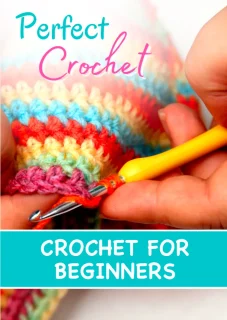
A friendly first book that explains crochet tools, hook grips and the chain stitch, then guides you through an easy first project.
10 guides · 786 pages · PDF
Ten downloadable crochet guides that take you from holding a hook for the first time to reading patterns, finishing real projects and stitching your own amigurumi animals.
One-time payment. No subscription.
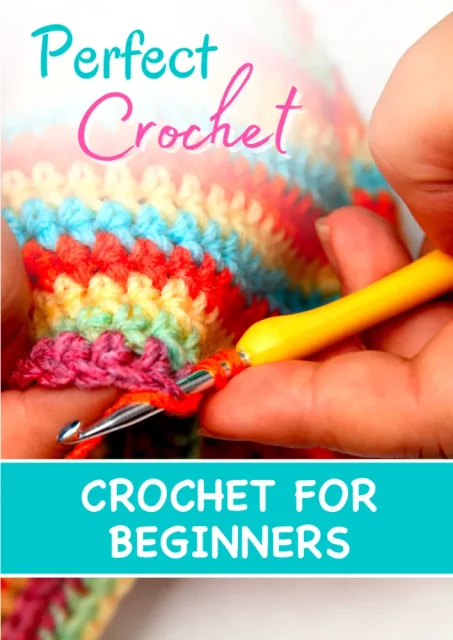
The beginner guide covers tools, yarn weights, hook grips and your first chain, so you're never told to do something you haven't been shown yet.
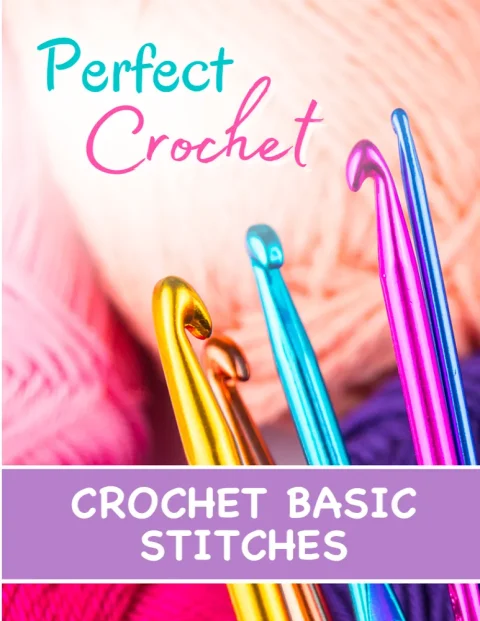
Chain, single, half double, double, treble and taller stitches are explained alongside textured stitches such as puff, popcorn, shell and cluster.
A full chapter walks left-handed crocheters through holding the hook, slip knots, color changes and adapting right-handed patterns.
Learn abbreviations, brackets, asterisks, gauge and symbol charts, plus how US and UK terminology differ.
Over 40 patterns for home, gifts and accessories, plus two amigurumi books with step-by-step toy patterns.
Instant-download PDFs work on phone, tablet or computer, and you can print a single pattern to take to the couch or a class.
A friendly first book that explains crochet tools, hook grips and the chain stitch, then guides you through an easy first project.
A step-by-step stitch reference from chain to triple treble, with separate chapters for right- and left-handed crocheters and a guide to blocking.
Go beyond the basics with circles and spirals, buttonholes, borders, beads, sequins and cords, plus a tour of more than 25 crochet styles.
Decode abbreviations, symbols, gauge and US versus UK terms so you can follow any written or charted crochet pattern with confidence.
More than 40 easy crochet patterns for the kitchen, home, wardrobe and gift list, plus washing instructions and answers to common questions.
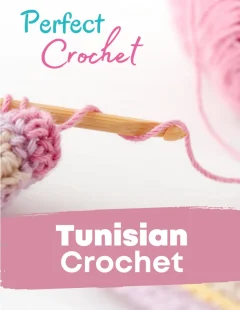
A compact introduction to Tunisian crochet: the long hook, the two-pass method, nine core stitches, shaping, binding off and textured patterns.
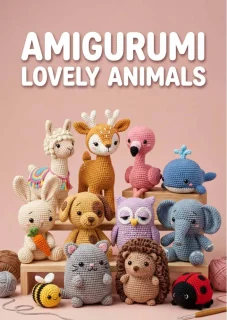
Twelve detailed amigurumi animal patterns, from an octopus and seahorse to a sloth, puppy, piggy and sleepy sheep.
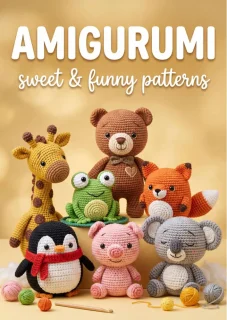
Cute amigurumi patterns for a bunny, dragon, turtle, elephant, giraffe, penguin, little dino, unicorn and more, from beginner to intermediate.
A short, practical guide packed with organizing hacks, tension advice and fixes for the most common crochet mistakes.
A printable planner with project pages, a monthly planner, a design sketch space, a supply inventory and a US/UK terminology chart.
Most people who give up on crochet don't lack talent. They get stuck on something small, like a chain that curls, a pattern full of abbreviations, or a toy that won't close up neatly. The Crochet Bible is a set of crochet books in PDF format built to get you past those moments, one skill at a time.
The collection starts with the true basics: choosing a first yarn and hook, the pencil and knife grips, the slip knot and the chain. From there you learn the stitch family from slip stitch to triple treble, including left-handed instructions, then move on to techniques such as working in the round, buttonholes, borders, colorwork and joining pieces. A dedicated guide explains abbreviations, symbol charts, gauge and the differences between US and UK terms, so a written pattern stops looking like code.
Every guide is an instant-download PDF. Keep it open on your phone or tablet beside your yarn, zoom in on a stitch diagram, or print only the pages you need for the project you're working on. Nothing to ship and nothing to wait for.
You don't need to read everything in order. A new crocheter can start at the beginning and work forward. Someone who already knows the basics can go straight to the pattern-reading guide, the project book or the amigurumi patterns. The books are written in plain language with step-by-step instructions, and together they cover the ground most hobby crocheters need in their first few years with a hook.
If you're brand new, open Crochet for Beginners first. It explains tools, yarn, hook grips and the chain stitch, and ends with an easy one-stitch project. Next, work through Crochet Basic Stitches slowly, practicing each stitch until your tension feels even. Left-handed readers will find their own chapter there.
Once the stitches feel familiar, read Reading & Understanding Crochet Patterns. It turns abbreviations, gauge and charts into something you can follow. Then move to Crochet Pattern Techniques for circles, spirals, buttonholes, borders, beads and joining pieces.
Now you're ready to make things. The Best Crochet Projects gives you dishcloths, bags, cowls and blankets that put each skill to work. For toys, start with the beginner-level patterns in Amigurumi: Sweet & Funny Patterns, then try the larger designs in Amigurumi: Lovely Animals. When you want a new texture, Tunisian Crochet introduces the forward and reverse pass.
Keep Crochet Tips & Tricks nearby for troubleshooting, and log each project in My Crochet Project Planner.
The Crochet Bible
Worth $85.90 if bought separately
Every book is a PDF you download right after checkout. PDFs open on almost any device, including phones, tablets, laptops and desktop computers, using the free reader most devices already have. You can also print the whole book or just the pages for the pattern you're working on, which many crocheters find easier to follow while their hands are busy.
Yes. Crochet for Beginners assumes no experience at all. It explains which yarn and hook to buy first, how to hold the hook, how to make a slip knot and chain, and gives you a simple first project. Crochet Basic Stitches then builds each stitch step by step. Expect to practice, since your tension will improve with every row you make.
Most of the collection uses US crochet terms. One amigurumi book is written in UK terms with the US equivalents given in brackets and includes a UK versus US conversion table. The pattern-reading guide and the planner both explain the differences, so you'll be able to recognize which system a pattern uses and convert stitches when needed.
Yes. Crochet Basic Stitches has a full chapter for left-handers covering how to hold the hook and yarn, slip knots, the slip ring, joining new yarn, changing colors, fastening off and the chain, single and double crochet. It also explains how to adapt right-handed patterns and flip images so they match the way you work.
The project book includes washcloths, dishcloths, coasters, face scrubbies, bags, baskets, cowls, scarves, a shawl, bracelets, a baby blanket, a granny square and more. The two amigurumi books add stuffed animals such as an octopus, seahorse, whale, sloth, sheep, bunny, turtle, penguin, dragon and unicorn.
For most projects you need yarn, a crochet hook, scissors and a tapestry or yarn needle. Stitch markers and a tape measure help a lot. Amigurumi patterns also call for toy stuffing and safety eyes. Tunisian crochet uses a longer hook that holds many loops at once, which the Tunisian guide describes before you start.
Yes. The PDFs are printable on a standard home printer. Many people print a single pattern and mark their progress on it with a pencil or highlighter. The planner is designed specifically for printing, with project sheets, a monthly page, a design space, an inventory log and a terminology reference.
Downloads are available immediately after your secure checkout is complete. There is nothing shipped, so you can start reading and crocheting the same day. Save the files to your device or cloud storage so you always have a copy, even if you switch phones or computers later on.
Crochet rewards patience more than talent. With a hook, some smooth medium-weight yarn and The Crochet Bible open beside you, you can go from a wobbly first chain to finished dishcloths, bags, blankets and stuffed animals, one clear step at a time. Every guide is ready the moment you check out, on whatever screen you have nearby. Download the collection, pick the book that matches where you are today, and make your first stitch tonight.
Checkout opening soon
A US double crochet is not the same stitch as a UK double crochet. Here's how the two systems line up, how to spot which one a pattern uses, and how to convert without mistakes.
The granny square is the classic crochet motif: quick, portable and endlessly useful. Here's how to make one round by round, change colors neatly and join squares into a blanket.