Water Storage for Preppers
A complete guide to finding, purifying, storing and testing water, from rain barrels and DIY filters to emergency wells.
10 guides · 531 pages · PDF
Ten practical, instant-download guides that walk you through water, food, fire, shelter, power and household security, so your family is ready for outages, storms and the unexpected.
One-time payment. No subscription.
Water, food, fire, shelter, power, first aid and household security are each handled in a dedicated guide, so no critical area gets overlooked.
The emphasis is on techniques you can practice at home, such as rotating water stocks, canning safely or using a ferro rod, not on expensive gear lists.
Clear instructions and checklists replace fear. You prepare step by step, at your own pace and within your own budget.
Build a rain barrel diverter, a simple water filter, a tin can stove, a solar oven or a compost system using everyday materials.
Instant-download PDFs read on any phone, tablet or computer, and every page prints cleanly for a paper copy in your emergency binder.
Each guide stands alone, so you can start with the gap that worries you most and build out the rest over time.
A complete guide to finding, purifying, storing and testing water, from rain barrels and DIY filters to emergency wells.
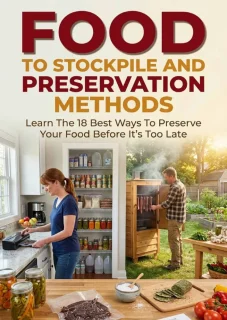
A practical pantry plan: essential emergency foods, staples that last for years and 18 preservation methods explained.
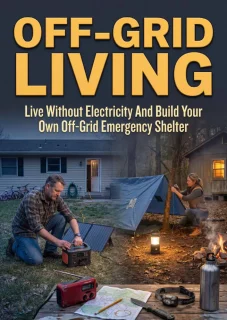
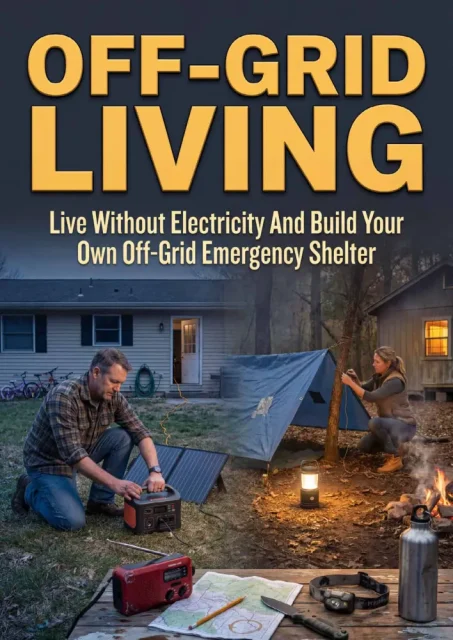
How to live without electricity: shelter, off-grid power, composting, heating and cooling, and staying healthy beyond the grid.
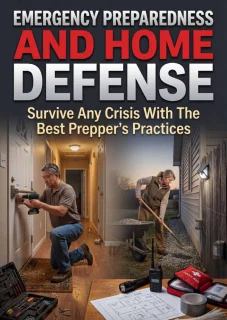
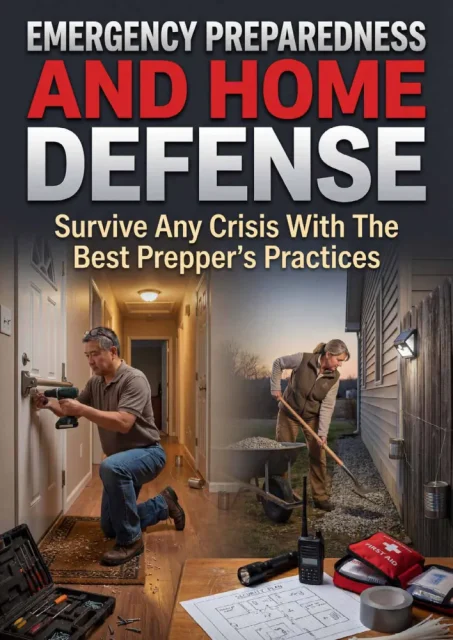
Turn supplies into a family plan: emergency kits, first aid, navigation without the internet and practical home security.
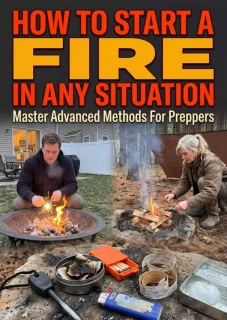
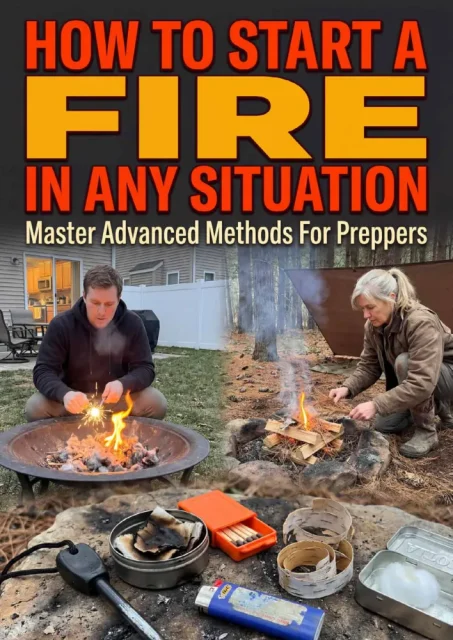
From flint and steel to a fire piston, learn reliable fire-starting methods for wet, windy, desert and forest conditions.
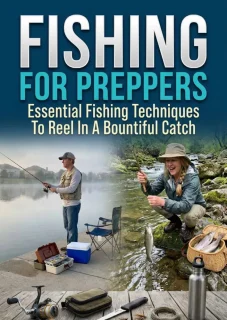
Turn fishing into a dependable food skill: gear, techniques, traps and nets, preservation and a year-round fishing plan.
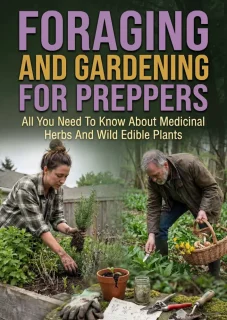
Grow your own food, approach wild plants with caution and learn which herbs belong in a traditional home kit.
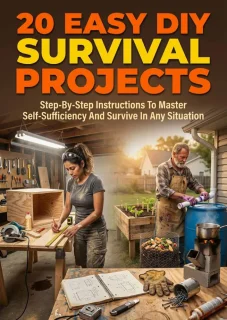
Twenty hands-on builds from everyday materials: water filters, stoves, lights, sanitation, signaling and small-scale power.
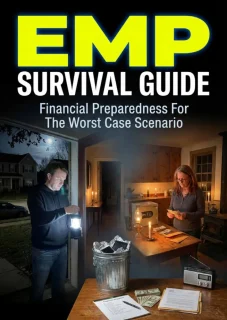
The financial side of a long grid-down event: budgeting, emergency funds, documents, bartering and recovery.
A calm, practical guide to radiation basics, the first 72 hours, fallout shelters and keeping food and water safe.
Preparedness is not about expecting the worst. It is about knowing that if the power goes out for a week, the tap runs dry or a storm cuts off the roads, your household already has a plan. The Prepper's Survival Bible brings that plan together in one place: ten focused PDF guides, each covering one pillar of self-reliance in plain, practical language.
Most people start prepping by buying gear. This collection starts with skills and systems. You will learn how much water to store and how to rotate it, which foods genuinely last for years and how to preserve your own, how to heat and power a home without the grid, and how to light a fire when matches are wet or missing. Each book stays on its own topic, so you can read the one you need today without wading through the rest.
Inside the library you will find:
The tone throughout is steady and practical. There are no doomsday countdowns here, just checklists, step-by-step instructions and the reasoning behind them so you can adapt them to your own home, budget and climate.
Every guide is a PDF you download the moment your order is complete. Read on your phone during a lunch break, keep a copy on a tablet in your go-bag, or print the chapters you want on paper for the day the screens go dark. Printed pages are a sensible backup when you are preparing for a power outage, after all.
Start where survival itself starts: with water. Water Storage for Preppers shows you how much to store, how to purify it and how to keep it safe. Next, read Food to Stockpile & Preservation Methods to build a pantry that lasts and learn canning, drying and fermenting.
With water and food covered, turn to the household plan in Emergency Preparedness & Home Defense, which covers first aid kits, bug-out versus bug-in decisions, map and compass skills and making your home harder to break into. Then read Off-Grid Living for heating, power, sanitation and shelter when the electricity is gone.
Build your field skills next. How to Start a Fire in Any Situation and Fishing for Preppers give you warmth and protein, while Foraging & Gardening for Preppers helps you grow food and approach wild plants cautiously. Put it all into practice with 20+ Easy DIY Survival Projects.
Finish with the large-scale scenarios: EMP Survival Guide for protecting your finances during a long grid-down event, and How to Survive a Nuclear Attack for fallout sheltering and the critical first 72 hours.
The Prepper’s Survival Bible
Worth $83.90 if bought separately
Every guide is a PDF that you download instantly after checkout. PDFs open on almost any phone, tablet, laptop or desktop computer without special software, and you can print the full book or just the chapters you need. Many readers keep a digital copy on their phone and a printed copy in their emergency binder, so the information is available even when the power or internet is down.
Start with water, then food. Water Storage for Preppers explains how much to store per person and how to keep it safe, and Food to Stockpile & Preservation Methods helps you build a practical pantry. Those two cover the needs that matter most in almost any emergency. After that, the Emergency Preparedness & Home Defense guide helps you turn supplies into a household plan.
No. Most of the content is about everyday emergencies such as extended power outages, severe weather, water disruptions and supply shortages. Two guides address larger events, an EMP and a nuclear emergency, but they focus on calm, practical planning: sheltering, storing supplies and protecting your finances. The goal is steady readiness, not fear.
No. A recurring theme is using what you already have. The DIY projects guide builds a water filter, candle lantern, tin can stove and handwashing station from everyday materials, and the food guide covers preservation methods such as salting, drying and fermenting that need very little gear. Where equipment helps, such as a pressure canner or ferro rod, the guides explain what it does and why.
Yes. Each guide is self-contained and focuses on a single topic, so you can begin with whatever concerns you most. If you prefer a structured path, the suggested reading order on this page moves from water and food to household planning, then field skills, hands-on projects and finally large-scale scenarios.
Yes. The Emergency Preparedness & Home Defense guide includes a section on household security: identifying blind spots around your property, early-warning systems, window and lock upgrades, lighting and making your home a harder target. It sits alongside first aid, emergency kits and navigation, so security is treated as one part of a broader safety plan.
No. The guides are educational resources to help you plan and practice. In any real emergency, follow instructions from local officials and emergency services. For safety-critical tasks such as canning, water disinfection or foraging, always double-check current recommendations from official sources such as your national emergency management agency, public health department or agricultural extension office.
After you complete payment through our secure checkout, you get immediate access to download your PDFs. There is nothing shipped and no waiting. Save the files to your device, back them up to a USB drive or cloud folder, and print any pages you want to keep on paper.
You do not have to prepare for everything at once. Store a few gallons of water this week, add a shelf of long-lasting food next month, practice lighting a fire with a ferro rod on a weekend. Each small step makes your household more resilient. The Prepper's Survival Bible gives you the knowledge to take those steps with confidence, in ten clear guides you can download today, read anywhere and print for the day you need them most.
Checkout opening soon