Crochet for Beginners
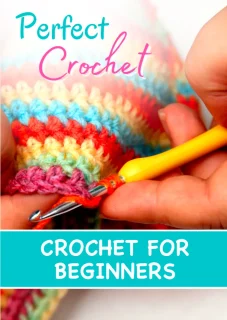
A friendly first book that explains crochet tools, hook grips and the chain stitch, then guides you through an easy first project.
The Crochet Bible · 113 pages · PDF
Every essential stitch, for right- and left-handed crocheters, plus blocking
A step-by-step stitch reference from chain to triple treble, with separate chapters for right- and left-handed crocheters and a guide to blocking.
Almost every crochet pattern is built from the same small group of stitches. Learn them properly, with even tension and a clear sense of where the hook goes, and patterns become far less intimidating. This guide is a focused reference for the basic crochet stitches and the handful of textured stitches that make projects interesting.
Chapter 1 starts with the chain and slip stitch, then climbs through single crochet, half double, double and treble, all the way up to double treble and triple treble. Each stitch is described with its height, uses and step-by-step instructions using American terms (with a note on how British names differ). You'll also meet the moss stitch, picot, cluster, popcorn, shell and puff stitch, plus the mattress stitch and backstitch for seaming. The chapter closes with advice on choosing the right stitch for the job and on increasing and decreasing.
Chapter 2 walks right-handed crocheters through holding the yarn, yarning over, the chain, the magic ring (adjustable loop), single crochet, turning chains, slip stitch, half double, double and treble crochet, and fastening off.
Chapter 3 gives left-handers the same care instead of an afterthought. It covers holding the hook and yarn, the slip knot and slip ring, joining new yarn and switching colors, fastening off, adding texture, and the chain, single and double crochet worked left-handed. It also explains how to flip reference images and adapt right-handed patterns so you can follow any design.
The final chapter explains why blocking matters and compares wet, dry and cold blocking, with tips for handling large pieces such as blankets. It's the step that turns slightly uneven fabric into a crisp, professional-looking finish.
Keep this book open beside your practice swatches and work each stitch until it feels automatic before moving on.
The stitch instructions use American terms. The book points out that British names differ, for example a UK double crochet is the same stitch as a US single crochet. If you often use UK patterns, the pattern-reading guide in the collection includes a fuller comparison of the two systems.
Yes. There is a full chapter for left-handers covering the hook and yarn hold, slip knot, slip ring, joining yarn, color changes, fastening off and the main stitches. It also shows how to adapt patterns and mirror images, so you're not stuck translating right-handed steps in your head.
Blocking means shaping a finished piece with water, steam or pinning so the stitches relax and the edges line up. The book compares wet, dry and cold blocking and explains which suits different fibers. It is optional for some projects but makes a big difference on lace, squares and garments.
A friendly first book that explains crochet tools, hook grips and the chain stitch, then guides you through an easy first project.
Go beyond the basics with circles and spirals, buttonholes, borders, beads, sequins and cords, plus a tour of more than 25 crochet styles.
Decode abbreviations, symbols, gauge and US versus UK terms so you can follow any written or charted crochet pattern with confidence.
More than 40 easy crochet patterns for the kitchen, home, wardrobe and gift list, plus washing instructions and answers to common questions.
A compact introduction to Tunisian crochet: the long hook, the two-pass method, nine core stitches, shaping, binding off and textured patterns.
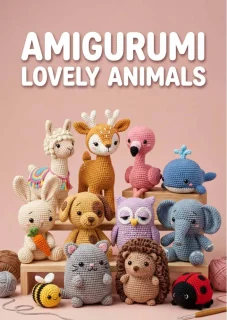
Twelve detailed amigurumi animal patterns, from an octopus and seahorse to a sloth, puppy, piggy and sleepy sheep.
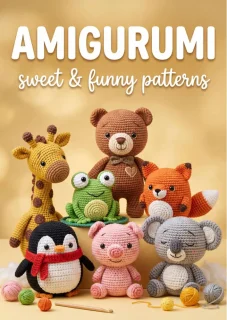
Cute amigurumi patterns for a bunny, dragon, turtle, elephant, giraffe, penguin, little dino, unicorn and more, from beginner to intermediate.
A short, practical guide packed with organizing hacks, tension advice and fixes for the most common crochet mistakes.