Crochet for Beginners
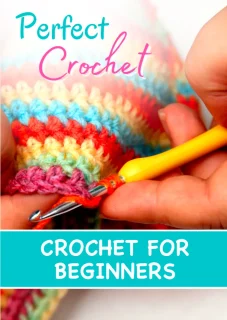
A friendly first book that explains crochet tools, hook grips and the chain stitch, then guides you through an easy first project.
The Crochet Bible · 128 pages · PDF
Sea, fantasy, wildlife and farm animal patterns
Twelve detailed amigurumi animal patterns, from an octopus and seahorse to a sloth, puppy, piggy and sleepy sheep.
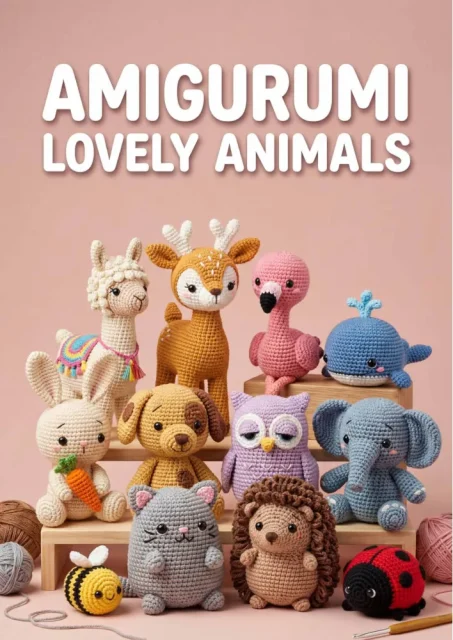
Amigurumi animals are some of the most rewarding things you can crochet: small enough to finish, detailed enough to impress, and almost always received with a smile. This collection of amigurumi animal patterns gathers twelve designs grouped by habitat, each with a materials list, abbreviations and round-by-round instructions.
The largest section heads under water. You'll find an octopus with long, curling tentacles and bobble-stitch suction cups, a seahorse, a jellyfish, a whale and a starfish. The octopus pattern shows how detailed these designs get: it's worked from the top of the head down, with notes on continuous rounds, placing safety eyes, embroidering eyelids and using stitch markers to split the body evenly for eight tentacles.
A sea unicorn brings a little magic to the ocean theme, and a slow, huggable sloth represents the wildlife section.
The farm section includes a sweet kitty, a cute puppy, a happy piggy, a joyful cow and a sleepy sheep. They make an appealing set for a nursery shelf or a child's play farm.
Each pattern lists yarn colors and approximate amounts, hook size, safety eye size, stuffing and notions. Instructions follow the standard amigurumi format: a magic circle to start, increases and decreases written as repeats, and the stitch count for each round in brackets so you can check your work as you go. Tips and notes flag the tricky moments, such as changing colors for a bobble stitch or where it's easy to miss a stitch marker.
If you've made a simple amigurumi ball or a small toy before, these patterns are a satisfying next step. If you haven't, start with the beginner-level patterns in the Sweet & Funny book first.
Note: finished toys with safety eyes and small parts may not be suitable for babies and very young children.
You should be comfortable with the magic circle, single crochet, increases and decreases, and working in continuous rounds. Some patterns add bobble stitches, foundation single crochet and color changes. The detailed notes help, but these designs are better as a next step than as a very first toy.
Each pattern lists its own materials. Typically you'll need cotton or similar yarn in several colors, a small crochet hook, safety eyes, toy stuffing, a tapestry needle, stitch markers and scissors. Yarn amounts are given approximately so you can buy or pull from your stash accordingly.
Toys with safety eyes and small attached parts may not be suitable for babies or very young children. For little ones, many crocheters embroider the eyes with yarn instead and make sure all parts are sewn on firmly. Always supervise young children with handmade toys.
A friendly first book that explains crochet tools, hook grips and the chain stitch, then guides you through an easy first project.
A step-by-step stitch reference from chain to triple treble, with separate chapters for right- and left-handed crocheters and a guide to blocking.
Go beyond the basics with circles and spirals, buttonholes, borders, beads, sequins and cords, plus a tour of more than 25 crochet styles.
Decode abbreviations, symbols, gauge and US versus UK terms so you can follow any written or charted crochet pattern with confidence.
More than 40 easy crochet patterns for the kitchen, home, wardrobe and gift list, plus washing instructions and answers to common questions.
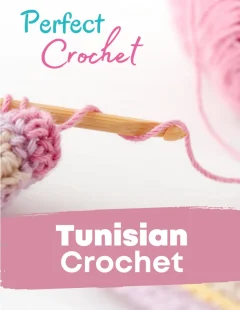
A compact introduction to Tunisian crochet: the long hook, the two-pass method, nine core stitches, shaping, binding off and textured patterns.
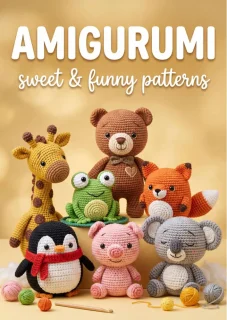
Cute amigurumi patterns for a bunny, dragon, turtle, elephant, giraffe, penguin, little dino, unicorn and more, from beginner to intermediate.
A short, practical guide packed with organizing hacks, tension advice and fixes for the most common crochet mistakes.