Crochet for Beginners
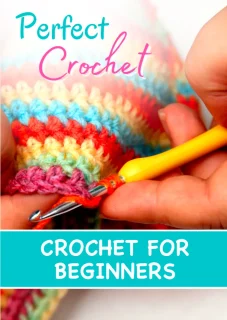
A friendly first book that explains crochet tools, hook grips and the chain stitch, then guides you through an easy first project.
The Crochet Bible · 24 pages · PDF
Smart shortcuts and fixes for the most common crochet mistakes
A short, practical guide packed with organizing hacks, tension advice and fixes for the most common crochet mistakes.
Some of the most useful crochet knowledge doesn't fit neatly into a pattern. It's the little habits that experienced crocheters pick up over years: how to stop a ball rolling under the couch, how to never lose your place in a pattern, when to change hook size. This short guide gathers those crochet tips and tricks into one quick read.
Chapter 1 is a long list of practical ideas. Feed yarn through a recycled cylindrical wipes container so it doesn't roll away. Store hooks in a pencil box, jewelry box or toothbrush holder. Keep patterns in a three-ring binder with clear sleeves and a pocket for extra tools. Tuck the yarn label inside the center of the ball so you always know the color and fiber. Use a wine rack, a collapsible hamper or zippered bags to store your stash by color.
You'll also find working tips: mark rows and repeats with stitch markers, safety pins, paperclips or bobby pins; move a sticky note down the pattern as you finish each row; highlight the size you're making; weave ends in on a diagonal so they stay put; and avoid mixing fibers such as cotton and acrylic in one project, since they wash and dry differently. If your work is too tight, go up a hook size; too loose, go down.
Chapter 2 names the mistakes most beginners make, and what to do instead: mixing up US and UK terms, not being able to identify stitches, skipping blocking, starting with complex patterns, not learning enough about yarn, forgetting that the turning chain counts toward stitch height, losing or gaining stitches at the row ends, using a chain ring instead of a magic loop, not reading the whole pattern first, sticking with the wrong hook size, and giving up too soon.
It also reminds you to take breaks and stretch your hands, and to crochet under good light, especially in darker winter months.
It's a short read of around two dozen pages, designed to be skimmed and revisited. One chapter is a list of practical tips, and the other covers the most common crochet mistakes and how to avoid them, so you can read it in one sitting and return to it when a problem comes up.
The most common causes are missing the first or last stitch of a row, or working into the turning chain when you shouldn't (or vice versa). The guide explains how the turning chain relates to stitch height and suggests using stitch markers at row ends and counting stitches regularly.
Yes. Many of the storage and tracking ideas are handy at any level, especially if you juggle several projects at once. Experienced crocheters often find a few new habits here, like tucking the yarn label inside the ball or tracking repeats on a sticky note.
A friendly first book that explains crochet tools, hook grips and the chain stitch, then guides you through an easy first project.
A step-by-step stitch reference from chain to triple treble, with separate chapters for right- and left-handed crocheters and a guide to blocking.
Go beyond the basics with circles and spirals, buttonholes, borders, beads, sequins and cords, plus a tour of more than 25 crochet styles.
Decode abbreviations, symbols, gauge and US versus UK terms so you can follow any written or charted crochet pattern with confidence.
More than 40 easy crochet patterns for the kitchen, home, wardrobe and gift list, plus washing instructions and answers to common questions.
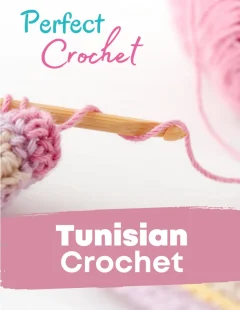
A compact introduction to Tunisian crochet: the long hook, the two-pass method, nine core stitches, shaping, binding off and textured patterns.
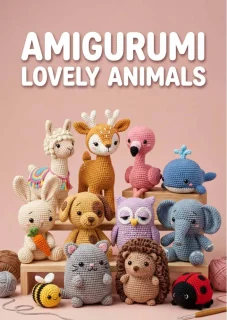
Twelve detailed amigurumi animal patterns, from an octopus and seahorse to a sloth, puppy, piggy and sleepy sheep.
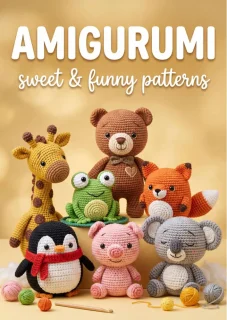
Cute amigurumi patterns for a bunny, dragon, turtle, elephant, giraffe, penguin, little dino, unicorn and more, from beginner to intermediate.