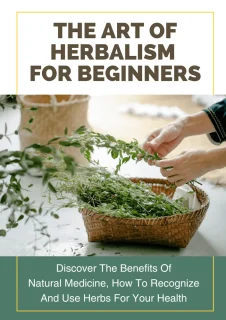
The Art of Herbalism for Beginners
A compact starter guide to how herbs work, what supplies you need and which plants and essential oils belong in a home herbal kit.
The Herbal Remedies Bible · 42 pages · PDF
Natural remedies from the herbs and plants of your garden
Simple teas and home preparations built around familiar garden plants such as peppermint, chamomile, ginger, thyme, calendula and lavender.
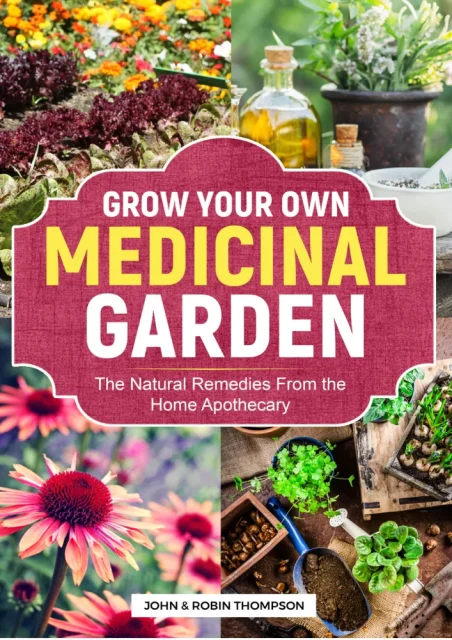
Many of the most traditional herbal preparations start with plants you can grow in a sunny bed or on a windowsill. Grow Your Own Medicinal Garden focuses on what to do with that harvest. It is a 42-page collection of simple recipes and plant notes organized by body area, so you can quickly find the herbs people have traditionally reached for in different situations.
Rather than a planting manual, this is a practical recipe companion. Each section introduces a plant, explains how it has traditionally been used and what is currently understood about it, then gives a short, clearly written recipe, usually a tea or infusion with ingredients, steps and serving notes. Most recipes need nothing more than dried or fresh herbs, a cup of water and a strainer.
The book repeatedly reminds readers to consult a healthcare provider before starting an herbal routine, and it flags specific concerns such as daisy-family allergies with chamomile and interactions with blood thinners. Those reminders matter. Several herbs in this guide, St. John's wort and garlic in particular, are known to affect how some medicines work, so talk to your pharmacist before combining them.
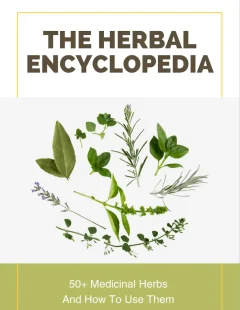
If you already grow mint, chamomile or calendula, or you are planning a small herb patch, this guide helps you connect each plant to a simple, time-honored use. Pair it with The Herbal Encyclopedia for deeper background on every plant mentioned.
This guide is for educational purposes only and is not medical advice; talk to a qualified healthcare provider before using herbs, especially if you are pregnant, nursing or taking medication.
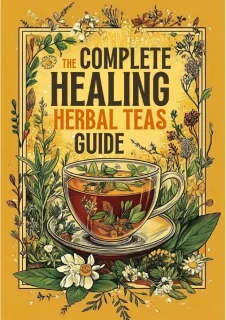
Its focus is on using garden herbs rather than cultivating them. You get plant notes and recipes organized by body area. If you want growing instructions for tea herbs, The Complete Healing Herbal Teas Guide includes a chapter on home, bottle and vertical herb gardens that pairs well with this book.
It features peppermint, chamomile, ginger, eucalyptus, thyme, elderberry, calendula, tea tree, lavender, St. John's wort, valerian, hawthorn, garlic, flaxseed, lemon balm, angelica, fennel and mint, plus kiwi and tomato as food-based options. Most are easy to grow or buy dried.
No. The recipes describe traditional preparations and should never replace prescribed treatment. Some herbs in this guide, including St. John's wort, garlic and hawthorn, may interact with medications. Always talk to your doctor or pharmacist before adding herbal teas to your routine if you have a health condition.
A compact starter guide to how herbs work, what supplies you need and which plants and essential oils belong in a home herbal kit.
An A-to-Y reference of 50 plants, each profiled with its scientific name, family, habitat, traditional uses, preparation ideas and cautions.
Everything around the cup: tea history, brewing technique, choosing quality herbs, six tea profiles, growing your own and storing it well.
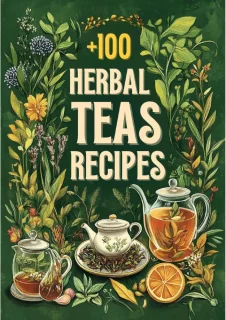
110 step-by-step herbal tea recipes arranged in seven themed chapters, each listing tea type, prep time, water temperature and ingredients.
A hands-on workbook for crafting tinctures, salves, balms, lotions, powders, sprays and elixirs at home, step by step.
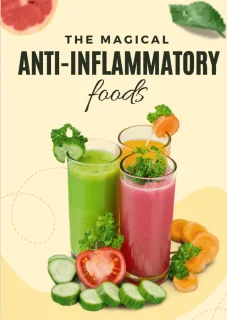
A whole-foods cookbook explaining inflammation basics and everyday habits, with 47 recipes built around vegetables, legumes, fish, herbs and spices.
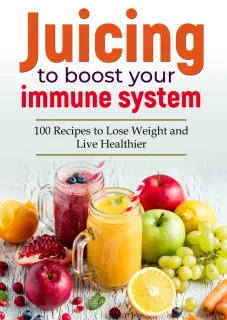
A beginner-friendly juicing book with 100 fruit and vegetable recipes, a chapter on healthy add-ins and a handy measurement conversion chart.