The Art of Herbalism for Beginners
A compact starter guide to how herbs work, what supplies you need and which plants and essential oils belong in a home herbal kit.
The Herbal Remedies Bible · 108 pages · PDF
50 medicinal plants profiled: descriptions, traditional uses, preparation and cautions
An A-to-Y reference of 50 plants, each profiled with its scientific name, family, habitat, traditional uses, preparation ideas and cautions.
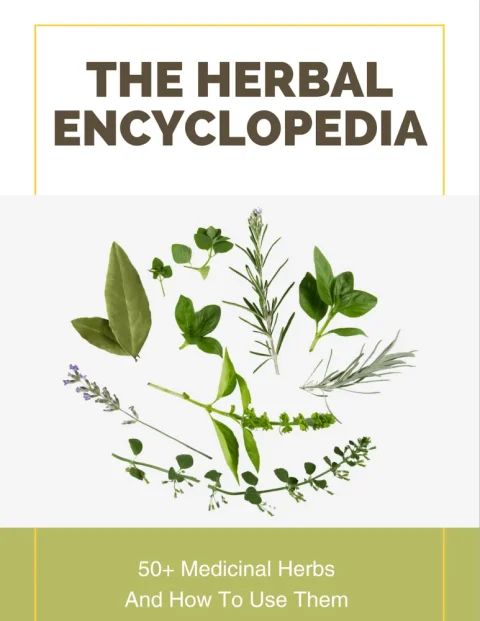
Every herbal library needs one book you reach for first. The Herbal Encyclopedia is that book: a 108-page, alphabetical reference of 50 plants, spices and foods that appear again and again in herbal traditions around the world, from Chinese and Ayurvedic practice to European and Native American use.
What makes this herbal encyclopedia PDF so easy to use is its structure. Each entry follows the same layout, so once you have read one, you can scan any other in seconds:
The selection is refreshingly broad. Alongside well-known herbs such as chamomile, calendula, echinacea, elderberry, lavender, peppermint and yarrow, you will find everyday foods and spices, including black pepper, cayenne, cumin, garlic, onion, okra, papaya, parsley, rice and turmeric. There are also traditional specialists like elecampane, eyebright, blessed thistle, cascara sagrada, goldenseal, sarsaparilla and wild cherry bark, and a mushroom, reishi.
The cautions section in each entry is the most important part to read. Many plants that seem harmless have limits: acorns must be processed before eating, licorice is not suited to everyone, and St. John's wort is well known for interacting with medications. Reading these notes before you brew builds the habit every responsible herbalist needs.
Use the encyclopedia as the hub of your collection. When a tea recipe calls for hibiscus or a salve uses calendula, look the plant up here to understand its background and cautions. It is equally handy for students, gardeners and anyone who simply wants to know what is in their spice cabinet.
This guide is for educational purposes only and is not medical advice; talk to a qualified healthcare provider before using herbs, especially if you are pregnant, nursing or taking medication.
There are 50 profiles, arranged alphabetically from acorn to yarrow. Each one follows the same format, covering identity, description, habitat, traditional uses, preparation and cautions. The consistent layout makes it quick to compare plants or look something up while you are following a recipe from another book.
Each entry includes an illustration of the plant alongside the written profile, which helps with general recognition. However, no book should be your only tool for identifying wild plants. If you forage, cross-check with a regional field guide or an experienced local expert before harvesting anything.
No. The preparation notes describe traditional ways each plant has been used, such as teas and powders, but they are not individual dosing instructions. The right amount, if any, depends on your age, health and medications. Please check with a doctor, pharmacist or qualified herbalist before using herbs therapeutically.
A compact starter guide to how herbs work, what supplies you need and which plants and essential oils belong in a home herbal kit.
Simple teas and home preparations built around familiar garden plants such as peppermint, chamomile, ginger, thyme, calendula and lavender.
Everything around the cup: tea history, brewing technique, choosing quality herbs, six tea profiles, growing your own and storing it well.
110 step-by-step herbal tea recipes arranged in seven themed chapters, each listing tea type, prep time, water temperature and ingredients.
A hands-on workbook for crafting tinctures, salves, balms, lotions, powders, sprays and elixirs at home, step by step.
A whole-foods cookbook explaining inflammation basics and everyday habits, with 47 recipes built around vegetables, legumes, fish, herbs and spices.
A beginner-friendly juicing book with 100 fruit and vegetable recipes, a chapter on healthy add-ins and a handy measurement conversion chart.