Water Storage for Preppers
A complete guide to finding, purifying, storing and testing water, from rain barrels and DIY filters to emergency wells.
The Prepper’s Survival Bible · 55 pages · PDF
Essential fishing techniques to reel in a bountiful catch
Turn fishing into a dependable food skill: gear, techniques, traps and nets, preservation and a year-round fishing plan.
Fish are one of the most accessible sources of fresh protein for anyone living near a lake, river or coast, and the basic gear is inexpensive and light. Fishing for Preppers treats fishing as a genuine self-reliance skill, not just a weekend hobby, and shows you how to make it dependable.
The opening chapter explains the role of fishing in self-sufficiency, the benefits for survivalists and how fishing can provide a sustainable food source. It finishes with the basic fishing equipment every prepper should have on hand.
Chapters 2 and 3 build the core skills: choosing the right fishing spot, understanding fish behavior, and a tour of techniques including fly fishing, spin fishing, ice fishing, and trapping and netting. Chapter 4 addresses safety precautions, conservation practices for sustainable fishing and the legal considerations you should understand before you rely on fishing for food.
Catching fish is only half the job. Chapter 5 covers cleaning and gutting fish properly, smoking and drying for preservation, and canning and pickling fish for extended storage. Chapter 6 adds advanced skills: building fish traps and nets, spearfishing techniques and using fish as bait for additional food sources.
The later chapters help you adapt. You will find freshwater tips, saltwater strategies and advice for rivers, lakes and oceans, followed by troubleshooting for equipment malfunctions, changing weather and spots where the fish simply are not biting. The book then helps you build a sustainable plan, with a fishing calendar for a year-round food supply, ways to fit fishing into a self-sufficient lifestyle and backup plans for when fishing fails. It closes with practice drills, challenges and sharing knowledge with other preppers.
Fishing regulations, licenses and seasons apply in most places, and methods like netting or trapping are often restricted. Always check your local rules, and follow tested guidance when canning fish, which is a low-acid food that requires pressure canning.
No. It starts with why fishing matters, the basic equipment to own, how to choose a spot and how fish behave. Techniques then build from spin and fly fishing to ice fishing, traps and nets. Experienced anglers will still find value in the preservation, planning and troubleshooting chapters.
Yes. Chapter 5 covers cleaning and gutting, smoking and drying, and canning and pickling for longer storage. Fish is a low-acid food, so canning it safely requires a pressure canner and tested processing times from a reliable source such as the USDA or your local extension service.
It depends on where you live. The book includes a section on legal considerations because many areas restrict nets, traps, spears and certain seasons or species. Learn the techniques, but check your state or local fishing regulations and hold any required license before using them.
A complete guide to finding, purifying, storing and testing water, from rain barrels and DIY filters to emergency wells.
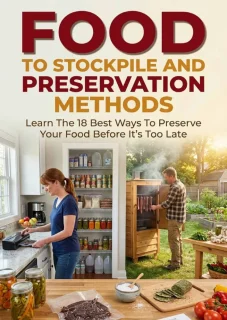
A practical pantry plan: essential emergency foods, staples that last for years and 18 preservation methods explained.
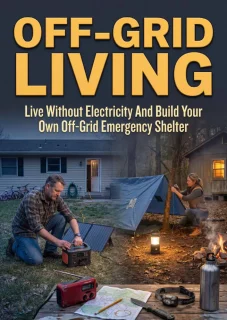
How to live without electricity: shelter, off-grid power, composting, heating and cooling, and staying healthy beyond the grid.
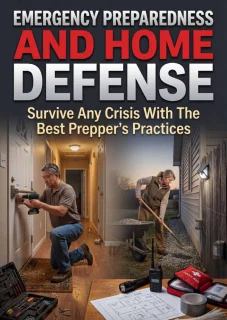
Turn supplies into a family plan: emergency kits, first aid, navigation without the internet and practical home security.
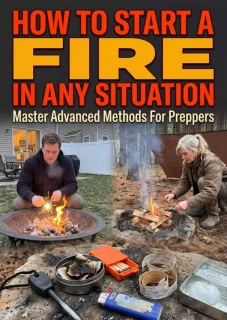
From flint and steel to a fire piston, learn reliable fire-starting methods for wet, windy, desert and forest conditions.
Grow your own food, approach wild plants with caution and learn which herbs belong in a traditional home kit.
Twenty hands-on builds from everyday materials: water filters, stoves, lights, sanitation, signaling and small-scale power.
The financial side of a long grid-down event: budgeting, emergency funds, documents, bartering and recovery.