Water Storage for Preppers
A complete guide to finding, purifying, storing and testing water, from rain barrels and DIY filters to emergency wells.
The Prepper’s Survival Bible · 61 pages · PDF
First aid, emergency planning and practical home security for your family
Turn supplies into a family plan: emergency kits, first aid, navigation without the internet and practical home security.
Having supplies is not the same as being prepared. Emergency Preparedness & Home Defense helps you turn gear and good intentions into a household plan that everyone understands, from first aid to navigation to keeping your home secure when normal services are stretched thin.
The book begins by explaining what prepping is and why more families are doing it, then looks at the kinds of events people prepare for, from pandemics and economic disruption to severe weather and long blackouts. Chapter 1 lays the foundations: basic emergency preps, how to get started, and how different scenarios call for different preparation.
Chapter 2 moves into strategy, including prepping with everyday items you already own and the key decision every family should think through in advance: bagging out (leaving) versus bagging in (sheltering at home).
The longest chapter focuses on medical readiness. It explains why a kit should always be ready, what goes into a survival first-aid kit, and first-aid tips for different emergency situations. It also lists essential survival equipment and skills everyone in the household should learn, along with guidance on caring for the injured and preventing infection until professional help is available.
Chapter 4 teaches you to find your way when the internet is down, with the basics of using a compass and a paper map. Chapter 5 covers household security as a family task: knowing the blind spots around your property, setting up early-warning systems and communication, and making your home a harder target with better window security, reinforced glass or security film, quality locks and bright exterior lighting.
First-aid content is educational and not a replacement for formal training. A certified first aid and CPR course is one of the best investments you can pair with this guide.
It treats home security as part of family safety planning. Topics include identifying blind spots where someone could approach unseen, early-warning systems and household communication, perimeter awareness, and upgrades such as window locks and bars, security film, shatter-resistant glass, quality locks and bright exterior lighting. Always follow local laws and contact emergency services when there is a threat.
No. The chapter explains how to build a survival first-aid kit and gives first-aid tips for different emergencies, which is useful for planning and review. Hands-on training from a recognized first aid and CPR provider is still strongly recommended, and professional medical care should always be sought when available.
Yes. Chapter 2 discusses bagging out and bagging in so you can think through, before an emergency, when leaving makes sense and when staying home is safer. It pairs well with the navigation chapter. In a real event, always follow evacuation orders and instructions from local officials.
A complete guide to finding, purifying, storing and testing water, from rain barrels and DIY filters to emergency wells.
A practical pantry plan: essential emergency foods, staples that last for years and 18 preservation methods explained.
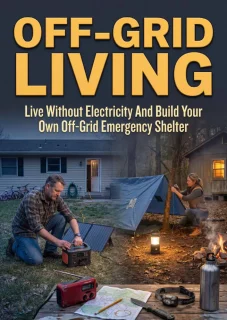
How to live without electricity: shelter, off-grid power, composting, heating and cooling, and staying healthy beyond the grid.
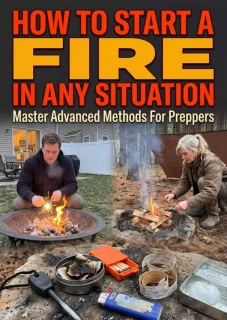
From flint and steel to a fire piston, learn reliable fire-starting methods for wet, windy, desert and forest conditions.
Turn fishing into a dependable food skill: gear, techniques, traps and nets, preservation and a year-round fishing plan.
Grow your own food, approach wild plants with caution and learn which herbs belong in a traditional home kit.
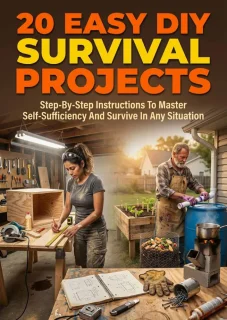
Twenty hands-on builds from everyday materials: water filters, stoves, lights, sanitation, signaling and small-scale power.
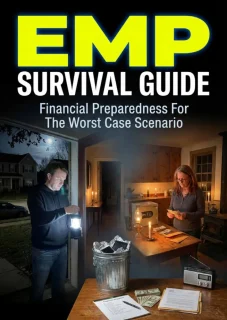
The financial side of a long grid-down event: budgeting, emergency funds, documents, bartering and recovery.