The Herbal Encyclopedia
An A-to-Y reference of 50 plants, each profiled with its scientific name, family, habitat, traditional uses, preparation ideas and cautions.
The Herbal Remedies Bible · 38 pages · PDF
A practical introduction to herbs, essential oils and building a home herbal kit
A compact starter guide to how herbs work, what supplies you need and which plants and essential oils belong in a home herbal kit.
If you have ever wondered where to start with herbs, this guide gives you a short, structured answer. The Art of Herbalism for Beginners is a 38-page introduction written with self-reliance in mind: it explains the ideas behind natural medicine, shows you how plants are grouped and what gives them their character, and ends with a practical list for assembling your own herbal kit.
The book opens with history. You will read about Hippocrates and the ancient theory of the four humors, the later split between Pasteur's germ theory and Claude Bernard's focus on the individual, and the core principles natural medicine grew from, including the old maxim primum non nocere, first do no harm. It is a helpful framing for understanding why herbalism looks at the whole person rather than a single symptom.
Chapter 2 is the heart of the guide. It explains the different types of herbs, what active constituents are, and how groups such as essential oils, alkaloids and glycosides differ. It also introduces the traditional way herbalists describe a plant's effect on energy, tissue and muscle tone, a vocabulary you will meet again in more advanced books.
From there you meet a working list of familiar plants, including aloe vera, valerian, eucalyptus, ginkgo, sage, dandelion, lavender, rosemary, chamomile, mint, calendula, nettle, garlic and arnica, each with a short note on how it has traditionally been used. A separate section covers eight essential oils: tea tree, lavender, lemon, rosemary, sandalwood, eucalyptus, cinnamon and thyme.
The practical chapters list the tinctures, oils, dried herbs and basic items worth keeping on hand, and describe how to store them in glass jars within a simple kit. It is a useful checklist whether you are a gardener, a camper or simply someone who likes being prepared.
Because this is a beginner's book, think of it as a map rather than a manual. Look up each plant in a detailed reference before using it, dilute essential oils properly and never swallow them, and remember that herbal preparations complement, but never replace, professional care.
This guide is for educational purposes only and is not medical advice; talk to a qualified healthcare provider before using herbs, especially if you are pregnant, nursing or taking medication.
It is 38 pages, which makes it a quick, focused read you can finish in an evening. It is designed as an orientation: it explains core ideas, introduces key plants and oils and gives you a checklist for a home kit. For deeper plant-by-plant detail, pair it with The Herbal Encyclopedia in the same collection.
It introduces eight common essential oils and their traditional uses. Always follow standard safety practice: dilute oils in a carrier oil before applying to skin, patch-test first, keep them away from children and pets, and never take essential oils internally unless a qualified professional has advised it.
Partly. The author writes with self-reliance in mind and includes a section on basic skills and a home herbal kit. The tone is practical rather than alarmist, and the information is equally useful for everyday home use, camping trips or simply being better organized.
An A-to-Y reference of 50 plants, each profiled with its scientific name, family, habitat, traditional uses, preparation ideas and cautions.
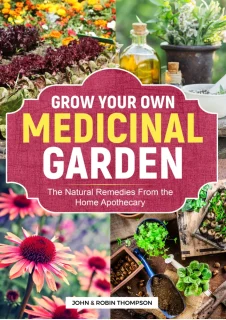
Simple teas and home preparations built around familiar garden plants such as peppermint, chamomile, ginger, thyme, calendula and lavender.
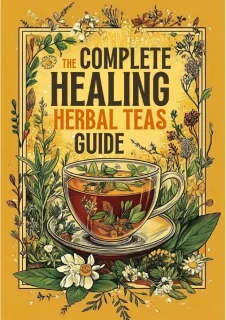
Everything around the cup: tea history, brewing technique, choosing quality herbs, six tea profiles, growing your own and storing it well.
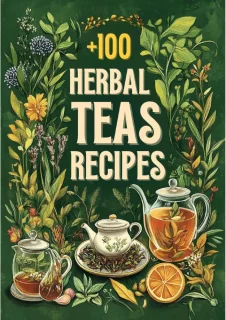
110 step-by-step herbal tea recipes arranged in seven themed chapters, each listing tea type, prep time, water temperature and ingredients.
A hands-on workbook for crafting tinctures, salves, balms, lotions, powders, sprays and elixirs at home, step by step.
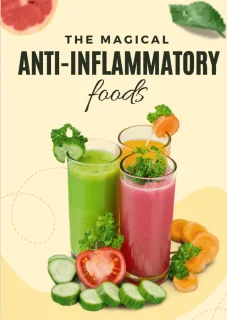
A whole-foods cookbook explaining inflammation basics and everyday habits, with 47 recipes built around vegetables, legumes, fish, herbs and spices.
A beginner-friendly juicing book with 100 fruit and vegetable recipes, a chapter on healthy add-ins and a handy measurement conversion chart.