The Art of Herbalism for Beginners
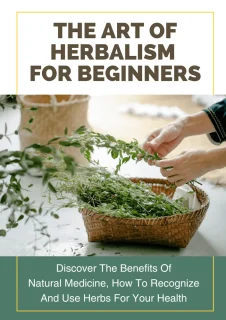
A compact starter guide to how herbs work, what supplies you need and which plants and essential oils belong in a home herbal kit.
The Herbal Remedies Bible · 74 pages · PDF
History, preparation, choosing herbs and growing your own tea garden
Everything around the cup: tea history, brewing technique, choosing quality herbs, six tea profiles, growing your own and storing it well.
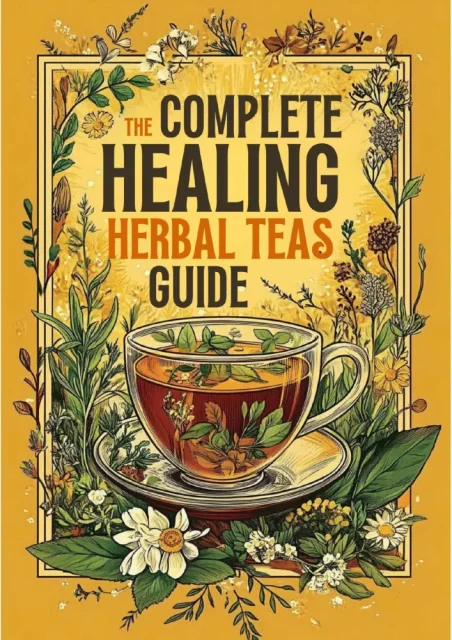
Great tea is less about the recipe and more about the technique. The Complete Healing Herbal Teas Guide is a 74-page herbal tea guide that teaches the fundamentals: where tea culture came from, how to judge quality, how temperature and time change the cup, and how to grow and store your own herbs.
The opening chapter traces tea from its legendary origins in China to India and on to the tea traditions of other parts of the world. It is an enjoyable read that explains why different cultures brew so differently, and it sets the scene for the practical chapters that follow.
Chapter 2 covers the variables that matter most: water quality, temperature and steeping time, plus the pros and cons of teapots and infusers. Chapter 5 expands on this with the basic steps of a good infusion and the most common brewing methods, so you can choose the right approach for delicate flowers versus tough roots.
One of the most practical sections teaches you to assess tea with your senses, judging appearance, color, scent and flavor, and includes advice on evaluating teas you buy online. The book also compares loose tea with tea bags and explains why many enthusiasts prefer loose leaf.
Chapter 4 profiles green tea, matcha, white tea, peppermint, chamomile and hibiscus, describing their character and what research and tradition say about them. Read these as background rather than promises: responses to any tea vary, and some, such as hibiscus and green tea, are worth discussing with your doctor if you take medication.
The final chapters show how to grow tea herbs at home, in reused bottles, in a fruit-bowl planter and in vertical gardens made from pallets or a ladder, then how to dry, store and preserve your harvest. A bibliography with scientific references closes the book.
This guide is for educational purposes only and is not medical advice; talk to a qualified healthcare provider before using herbs, especially if you are pregnant, nursing or taking medication.
It is mainly a technique and background guide. It covers history, brewing variables, choosing and judging herbs, six tea profiles, growing and storage. If you want a large collection of blends, pair it with 100+ Herbal Tea Recipes, which applies these techniques to 110 specific recipes organized by theme.
Yes. It discusses true teas from the Camellia sinensis plant, such as green, matcha and white tea, alongside caffeine-free herbal infusions like peppermint, chamomile and hibiscus. The brewing chapters explain why each needs different water temperatures and steeping times for the best flavor.
No. The growing chapter is designed for small spaces. It shows how to grow herbs in reused bottles, a fruit-bowl planter and simple vertical setups made from a pallet or ladder, which work on a balcony, patio or sunny corner indoors.
A compact starter guide to how herbs work, what supplies you need and which plants and essential oils belong in a home herbal kit.
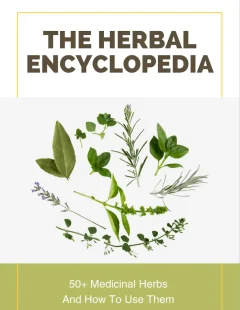
An A-to-Y reference of 50 plants, each profiled with its scientific name, family, habitat, traditional uses, preparation ideas and cautions.
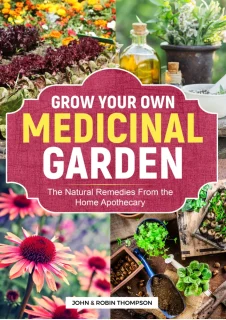
Simple teas and home preparations built around familiar garden plants such as peppermint, chamomile, ginger, thyme, calendula and lavender.
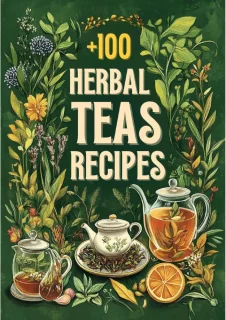
110 step-by-step herbal tea recipes arranged in seven themed chapters, each listing tea type, prep time, water temperature and ingredients.
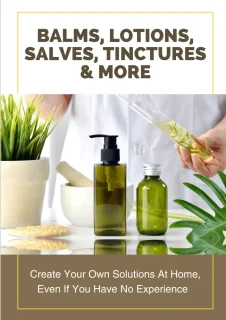
A hands-on workbook for crafting tinctures, salves, balms, lotions, powders, sprays and elixirs at home, step by step.
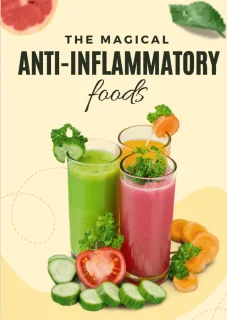
A whole-foods cookbook explaining inflammation basics and everyday habits, with 47 recipes built around vegetables, legumes, fish, herbs and spices.
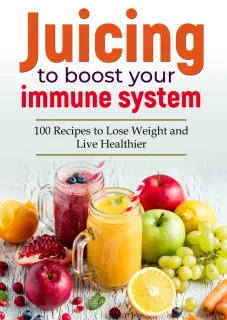
A beginner-friendly juicing book with 100 fruit and vegetable recipes, a chapter on healthy add-ins and a handy measurement conversion chart.