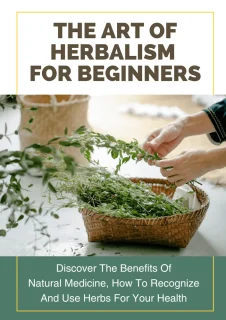
The Art of Herbalism for Beginners
A compact starter guide to how herbs work, what supplies you need and which plants and essential oils belong in a home herbal kit.
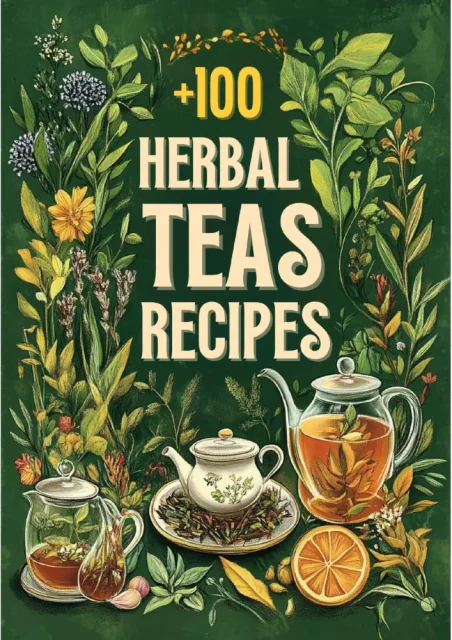
The Herbal Remedies Bible · 178 pages · PDF
110 herbal tea blends organized by body system and time of day
110 step-by-step herbal tea recipes arranged in seven themed chapters, each listing tea type, prep time, water temperature and ingredients.
Once you know how to brew, the fun is in the blending. 100+ Herbal Tea Recipes is a 178-page collection of 110 herbal tea recipes, from single-herb classics such as chamomile, lavender and nettle to layered blends like Rosy Marshmallow & Cinnamon, Lemony Moroccan Mint and a Minty Coconut and Cacao blend.
Each recipe follows a clear, repeatable format. You get the style of tea, preparation time and the water temperature to use, followed by an ingredient list and numbered steps. Many recipes also include a basic nutrition line. That consistency makes the book easy to cook from: pick a recipe, boil water to the right temperature and follow the steps.
The recipes are grouped around the body systems and moments of the day that herbal traditions have long associated them with:
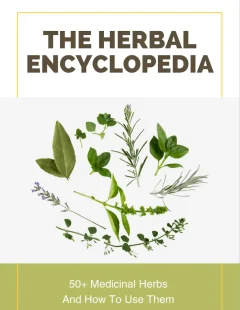
The chapter themes reflect traditional associations, not proven effects. A few ingredients deserve particular care: kava, senna, licorice, St. John's wort, sweet clover and some pregnancy-related herbs have well-known cautions and medication interactions. Check each herb in a reliable reference, such as The Herbal Encyclopedia, and ask your doctor or pharmacist if you are pregnant, nursing, managing a health condition or taking medication.
A bibliography of scientific references closes the book for readers who want to explore further.
This guide is for educational purposes only and is not medical advice; talk to a qualified healthcare provider before using herbs, especially if you are pregnant, nursing or taking medication.
There are 110 numbered recipes across seven chapters. Each lists the type of tea, preparation time, water temperature, ingredients and steps. Some herbs appear in more than one chapter in different combinations, which gives you several ways to enjoy favorites like lemon balm, hawthorn and nettle.
Most ingredients, including chamomile, peppermint, hibiscus, rooibos and fennel, are available at grocery stores. Less common herbs such as astragalus, damiana or meadowsweet are usually sold by reputable herb suppliers and natural food stores. Buy from sources that clearly label the botanical name and origin.
No. Several herbs in this book, including senna, licorice, kava, St. John's wort, sage and some herbs in the reproductive chapter, are commonly advised against during pregnancy or breastfeeding. If you are pregnant or nursing, check every herb with your midwife, doctor or pharmacist before brewing.
A compact starter guide to how herbs work, what supplies you need and which plants and essential oils belong in a home herbal kit.
An A-to-Y reference of 50 plants, each profiled with its scientific name, family, habitat, traditional uses, preparation ideas and cautions.
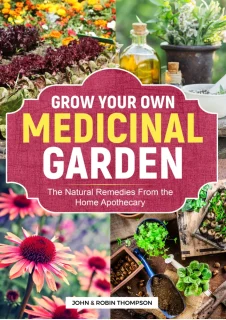
Simple teas and home preparations built around familiar garden plants such as peppermint, chamomile, ginger, thyme, calendula and lavender.
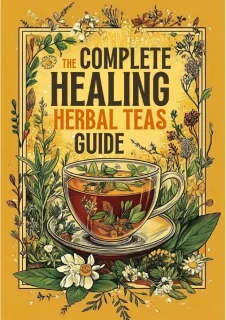
Everything around the cup: tea history, brewing technique, choosing quality herbs, six tea profiles, growing your own and storing it well.
A hands-on workbook for crafting tinctures, salves, balms, lotions, powders, sprays and elixirs at home, step by step.
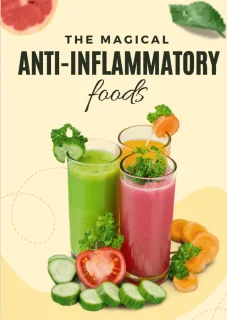
A whole-foods cookbook explaining inflammation basics and everyday habits, with 47 recipes built around vegetables, legumes, fish, herbs and spices.
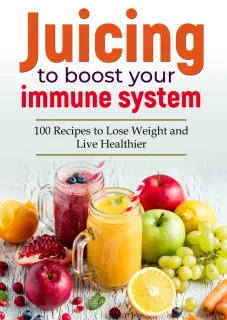
A beginner-friendly juicing book with 100 fruit and vegetable recipes, a chapter on healthy add-ins and a handy measurement conversion chart.