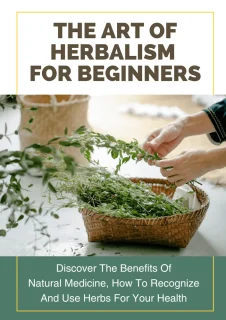
The Art of Herbalism for Beginners
A compact starter guide to how herbs work, what supplies you need and which plants and essential oils belong in a home herbal kit.
The Herbal Remedies Bible · 48 pages · PDF
Handmade herbal preparations, from tinctures and salves to elixirs and sprays
A hands-on workbook for crafting tinctures, salves, balms, lotions, powders, sprays and elixirs at home, step by step.
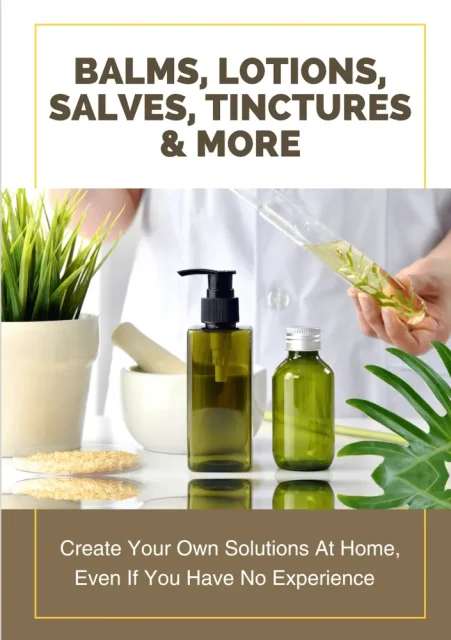
There is something deeply satisfying about pouring a warm, golden salve into a little tin and watching it set. Balms, Lotions, Salves & Tinctures is a 48-page workbook for exactly that kind of project, walking you through seven families of herbal preparations with ingredient lists and clear methods.
The book begins with tinctures, the classic alcohol extract. Using sage as the worked example, it explains how to choose alcohol strength, how to dilute high-proof alcohol with distilled water, the usual ratio of plant to liquid, how long to macerate, how to strain and bottle, and why labeling and dating every bottle matters. It also stresses using only food-grade alcohol, never denatured alcohol.
The salve and balm chapters are where most readers spend their weekends. You will make an arnica cream for external use, an herbal ointment, a soothing skin cream, a moisturizing balm, a daisy balm and a general herbal balm, and you will learn a single production method that works for four different balms, so you can improvise once you understand the process.
The later chapters cover an elderberry elixir, golden milk made with turmeric, homemade apple cider vinegar, hypericum (St. John's wort) infused oil and a star anise preparation. These are traditional recipes and are described that way here; they are not substitutes for medical care.
Work with clean, sterilized jars, patch-test anything you apply to skin, keep arnica on unbroken skin only, and store alcohol extracts out of reach of children. Check each herb for interactions before taking any preparation internally, and ask a professional if you are unsure.
This guide is for educational purposes only and is not medical advice; talk to a qualified healthcare provider before using herbs, especially if you are pregnant, nursing or taking medication.
You need a double boiler or a heatproof bowl over a pan, a carrier oil such as olive or sweet almond oil, beeswax or a plant wax, dried herbs, a fine strainer or cheesecloth and clean tins or jars. For tinctures you also need food-grade alcohol, a glass jar with a tight lid and dark dropper bottles.
Properly made salves usually keep for many months in a cool, dark place, and alcohol-based tinctures keep considerably longer. The book suggests a working limit of about three years for tinctures. Discard anything that smells rancid, changes color or shows mold, and always label jars with contents and date.
Be cautious. Arnica should only be used on unbroken skin, and any new preparation should be patch-tested on a small area first. For deep cuts, burns, infections or persistent rashes, see a healthcare professional rather than relying on a homemade product.
A compact starter guide to how herbs work, what supplies you need and which plants and essential oils belong in a home herbal kit.
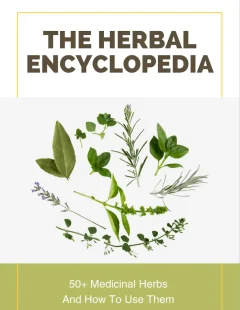
An A-to-Y reference of 50 plants, each profiled with its scientific name, family, habitat, traditional uses, preparation ideas and cautions.
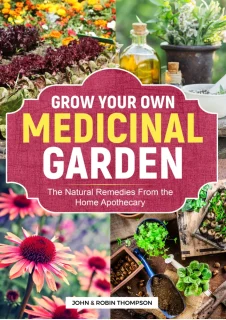
Simple teas and home preparations built around familiar garden plants such as peppermint, chamomile, ginger, thyme, calendula and lavender.
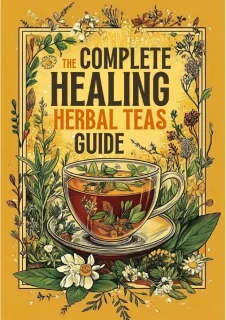
Everything around the cup: tea history, brewing technique, choosing quality herbs, six tea profiles, growing your own and storing it well.
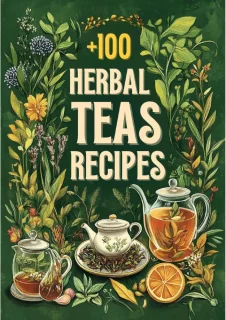
110 step-by-step herbal tea recipes arranged in seven themed chapters, each listing tea type, prep time, water temperature and ingredients.
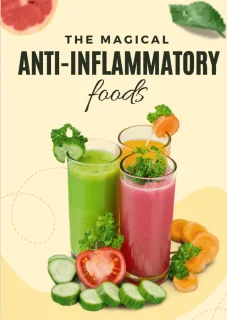
A whole-foods cookbook explaining inflammation basics and everyday habits, with 47 recipes built around vegetables, legumes, fish, herbs and spices.
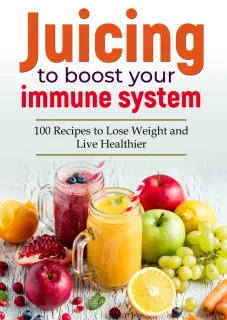
A beginner-friendly juicing book with 100 fruit and vegetable recipes, a chapter on healthy add-ins and a handy measurement conversion chart.