The Independent Homesteader
The big-picture guide to starting a homestead, from choosing land and reading soil to water, off-grid power, waste systems and simple builds.
The Homesteader’s Bible · 146 pages · PDF
How to grow vegetables, herbs and microgreens in pots and containers at home
Grow vegetables, herbs, microgreens, ornamentals and even dwarf citrus in pots, with chapters on companion planting, feeding, pests and harvest.
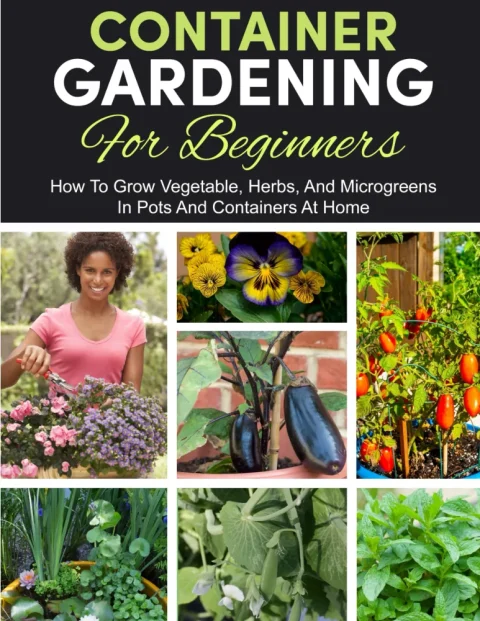
You do not need a yard to grow food. A sunny windowsill, a balcony railing or a few tubs by the back door can produce salad greens, herbs, tomatoes and more. Container Gardening for Beginners shows you how to make the most of whatever space you have, with 19 chapters that move from choosing your first pot to keeping containers productive all year.
The book starts by explaining what container gardening is and why it suits beginners: you control the soil, water and position, and you can move plants to follow the sun. Chapter two gets practical straight away with vegetables that thrive in pots, including beans with a trellis, beets, compact carrot varieties, tomatoes, potatoes layered in a deep container, spinach and leafy greens. You will also find guidance on growing dwarf citrus such as Meyer lemons, limes and tangerines, and on potting up a young fruit tree.
Two full chapters cover microgreens, which are one of the fastest ways to harvest something edible indoors. You learn about popular varieties such as broccoli, radish, kale, beet, arugula and chia microgreens, and the typical grow time from seed to harvest. The herb chapters list a strong starter selection, including parsley, oregano, sage, rosemary, thyme, mint, basil and chives, explain what equipment you need, and warn you which herbs, like mint and lemon balm, should be kept in their own pots.
For those who want beauty as well as food, there are chapters on decorative and ornamental plants, caring for orchids and growing a healthy bonsai. The later chapters bring everything together: seed starting and re-potting, a companion planting chapter, fertilizer management, managing pests and plant diseases, maintenance tips for healthy containers, harvesting and storing, and extending the harvest so your pots keep producing through the year.
Yes. The book focuses on vegetables that do well in pots, including beans, beets, compact carrots, tomatoes, potatoes and leafy greens, and explains container size, soil and watering for each. Microgreens need only a shallow tray and a bright window, so almost anyone can start harvesting within a couple of weeks.
Both. Herbs and microgreens are presented as ideal kitchen and windowsill crops, and ornamental chapters cover houseplants such as orchids and bonsai. Outdoor containers on patios and balconies are covered for vegetables and dwarf fruit trees. The final chapters explain how to extend the harvest through the year.
Container Gardening for Beginners is about growing in pots wherever you already are, with no structure needed. The Self-Sufficient Greenhouse is about building and running a greenhouse to control climate and extend seasons. Many readers start with containers and move to a greenhouse once they want more space and longer seasons.
The big-picture guide to starting a homestead, from choosing land and reading soil to water, off-grid power, waste systems and simple builds.
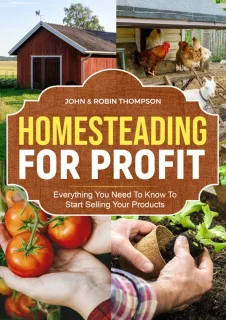
A compact, candid guide to turning homestead surplus into income, from gifting and farm stands to selling as a small merchant or commodity farmer.
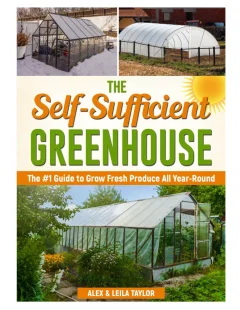
A start-to-finish guide to planning, building and growing in a greenhouse, with a year-round planting schedule and a hydroponics primer.
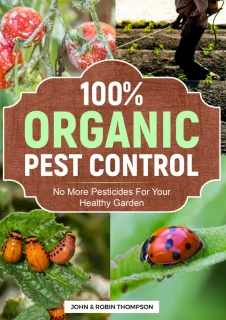
A quick, focused guide to spotting common greenhouse pests and diseases and managing them with natural, chemical-free methods.
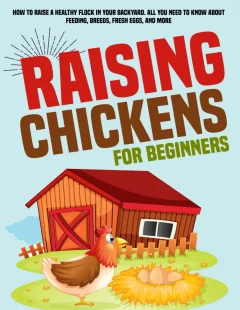
Everything a first-time flock owner needs, from local laws and breed choice to coops, feed, health, brooding, eggs and running a small poultry business.
A savory canning cookbook with 66 recipes for stocks, soups, sauces, poultry, red meat, pork and fish, plus the basics of equipment and safety.
A complete pressure canning cookbook with 109 recipes, clear safety chapters on botulism and altitude, and a bonus printable altitude and conversion chart.
101 recipes that explain the difference between fermenting and pickling, from sauerkraut and kimchi to dill pickles, kombucha, yogurt and chutneys.