The Independent Homesteader
The big-picture guide to starting a homestead, from choosing land and reading soil to water, off-grid power, waste systems and simple builds.
The Homesteader’s Bible · 26 pages · PDF
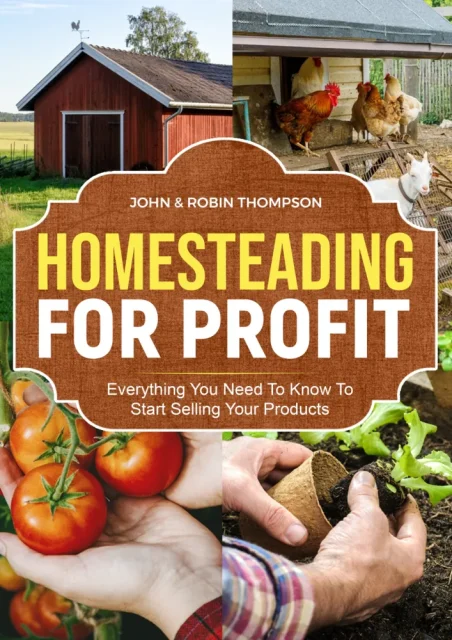
Four tiers of selling your surplus, the rules to know and marketing that works
A compact, candid guide to turning homestead surplus into income, from gifting and farm stands to selling as a small merchant or commodity farmer.
Sooner or later every homestead produces the wrong amount of something. Too many eggs in spring, too much zucchini in August, more apple butter than one family can eat. Homesteading for Profit is a short, straight-talking guide to what to do with that surplus, written from the point of view of someone who actually has to decide between giving it away and setting up a stall.
The core of the book is a simple ladder with four tiers. Tier 0 is gifting, and the author makes a persuasive case that a dozen eggs or a jar of homemade vinegar is often worth more as a gift than as a sale. Tier 1 is casual selling: a self-serve roadside stand, a table in a friend's yard on a busier road, a local feed store that buys eggs, or consignment at a farmers market. Tier 2 is selling as a small merchant, with an honest look at how much of any business is admin, why profit is harder than it looks, and what opportunity cost means for your time. Tier 3 covers scaling up as a production commodity farmer: finding a niche, planning investment, quality assurance, relationships, risk management and sustainable practices.
Before you sell food, you need to know where the lines are. The laws section outlines the general considerations for beef, pork and mutton, poultry, eggs and dairy, and why these categories are treated differently. The marketing section then works through defining your product and your market, building a minimum viable product, developing a brand and story, and framing your offer so customers understand why it is worth paying for.
At 26 pages this is a quick read you can finish in an evening, but it will change how you think about pricing a dozen eggs. Food sales regulations vary by state and county, so use the book to frame your questions and confirm the specifics with your local authorities.
It is a compact 26-page PDF designed to be read in one sitting. It focuses on decisions rather than theory: which selling tier suits you, what legal categories to research, and how to position your products. It pairs well with Raising Chickens for Beginners, which includes its own chapter on running a poultry business.
It outlines the general regulatory considerations for meat, poultry, eggs and dairy so you know which questions to ask. It is not a state-by-state legal guide. Rules on cottage foods, egg sales, meat processing and raw dairy differ widely, so always check with your state agriculture department and local health authority before selling.
Mostly no. The emphasis is on small homesteads handling surplus, from gifting to casual sales and small-merchant selling. One section covers what changes if you scale up into commodity production, including niche selection, investment and risk, so you can judge whether that path is right for you.
The big-picture guide to starting a homestead, from choosing land and reading soil to water, off-grid power, waste systems and simple builds.
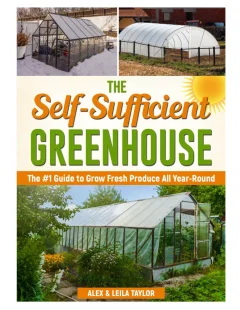
A start-to-finish guide to planning, building and growing in a greenhouse, with a year-round planting schedule and a hydroponics primer.
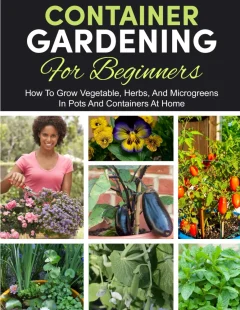
Grow vegetables, herbs, microgreens, ornamentals and even dwarf citrus in pots, with chapters on companion planting, feeding, pests and harvest.
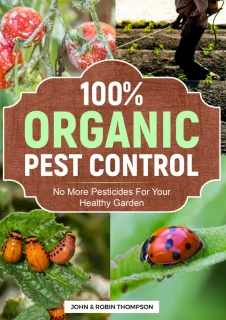
A quick, focused guide to spotting common greenhouse pests and diseases and managing them with natural, chemical-free methods.
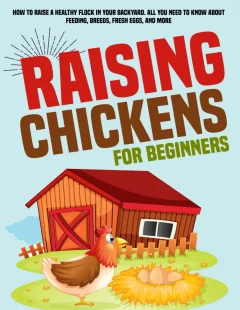
Everything a first-time flock owner needs, from local laws and breed choice to coops, feed, health, brooding, eggs and running a small poultry business.
A savory canning cookbook with 66 recipes for stocks, soups, sauces, poultry, red meat, pork and fish, plus the basics of equipment and safety.
A complete pressure canning cookbook with 109 recipes, clear safety chapters on botulism and altitude, and a bonus printable altitude and conversion chart.
101 recipes that explain the difference between fermenting and pickling, from sauerkraut and kimchi to dill pickles, kombucha, yogurt and chutneys.