Homesteading for Profit
A compact, candid guide to turning homestead surplus into income, from gifting and farm stands to selling as a small merchant or commodity farmer.
The Homesteader’s Bible · 128 pages · PDF
A practical guide to planning, growing, preserving and powering a self-sufficient home
The big-picture guide to starting a homestead, from choosing land and reading soil to water, off-grid power, waste systems and simple builds.
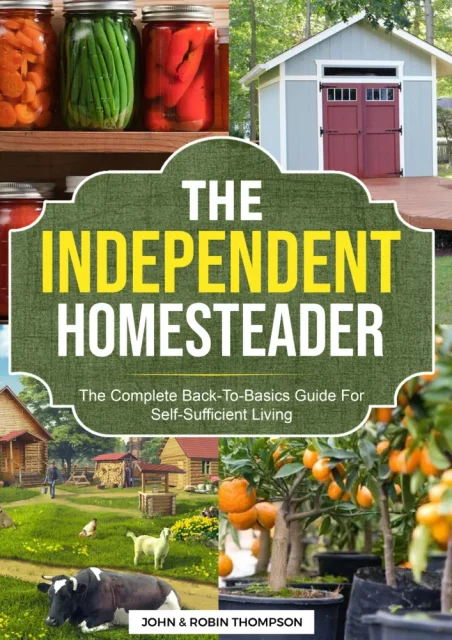
Most homesteading advice jumps straight to chickens or tomatoes. The Independent Homesteader steps back and asks the questions that decide whether the whole project works: Is this land suitable? Where will the water come from? How will you heat the house in January, and what happens to the waste? This 128-page guide walks through those decisions in a logical order so you can plan with confidence rather than fix expensive mistakes later.
The book opens by describing four kinds of homesteading, apartment, urban, small-scale and large-scale, and shows what self-sufficiency can realistically look like in each. From there it covers land area, the minimum requirements for a homestead, how to inspect a site, and how to work with what you have, including old versus fresh soil. You learn to map your plot, test soil texture and pH, understand your growing zone and seasons, and assess your space, with a sample harvest plan for a sunny quarter-acre backyard.
The middle of the book is the infrastructure section many beginners skip. It compares city water, wells, natural sources and rainwater collection, then explains cisterns, pumps and purification options from ceramic filters and biofilters to boiling and distillation, along with greywater reuse. Power chapters introduce solar, wind, geothermal, small hydro, generators and energy storage. Waste chapters range from septic systems to compost toilets, and heating options include wood stoves, propane, solar heat and biomass.
A canning primer introduces water-bath and pressure canners, the parts of a pressure canner and the basic tools, with step-by-step walkthroughs for fruit and vegetables and advice on storing jars. Practical build sections describe five fence styles and how to put up a simple shed from base to roof. The final chapters cover living with a farm dog and barn cat and making natural products such as soap, an herbal hair rinse, bath teas, an all-purpose cleaner and lip balm.
Treat it as your homestead's master plan. The other guides in the collection go deeper on each skill, but this is where the pieces come together.
No. It begins with apartment and urban homesteading and explains what you can do with a balcony or small yard, such as container growing, herbs, food preservation and making pantry staples. The land, water and off-grid chapters become more relevant as your plans grow, so the book stays useful whether you are starting small or already looking at acreage.
It includes a canning primer covering equipment, the parts of a pressure canner and step-by-step methods for fruit and vegetables, plus storage tips. For full recipe collections, see the dedicated preserving cookbooks in this collection. Always confirm processing times and pressures against current USDA home canning guidance for your altitude.
They are written as a beginner-friendly overview. You will understand the pros and cons of solar, wind, hydro, geothermal and generators, how cisterns and pumps fit into a water system, and the main purification methods. Use the book to shortlist options, then consult local installers and regulations before building permanent systems.
A compact, candid guide to turning homestead surplus into income, from gifting and farm stands to selling as a small merchant or commodity farmer.
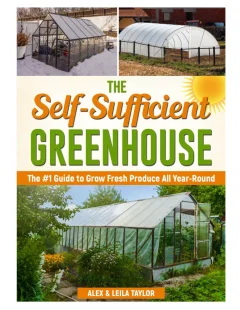
A start-to-finish guide to planning, building and growing in a greenhouse, with a year-round planting schedule and a hydroponics primer.
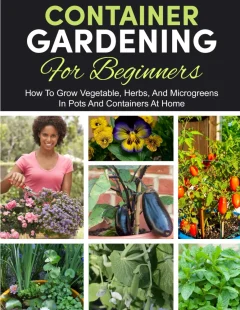
Grow vegetables, herbs, microgreens, ornamentals and even dwarf citrus in pots, with chapters on companion planting, feeding, pests and harvest.
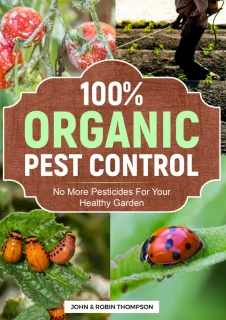
A quick, focused guide to spotting common greenhouse pests and diseases and managing them with natural, chemical-free methods.
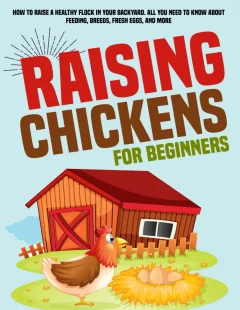
Everything a first-time flock owner needs, from local laws and breed choice to coops, feed, health, brooding, eggs and running a small poultry business.
A savory canning cookbook with 66 recipes for stocks, soups, sauces, poultry, red meat, pork and fish, plus the basics of equipment and safety.
A complete pressure canning cookbook with 109 recipes, clear safety chapters on botulism and altitude, and a bonus printable altitude and conversion chart.
101 recipes that explain the difference between fermenting and pickling, from sauerkraut and kimchi to dill pickles, kombucha, yogurt and chutneys.