Water Storage for Preppers
A complete guide to finding, purifying, storing and testing water, from rain barrels and DIY filters to emergency wells.
The Prepper’s Survival Bible · 42 pages · PDF
Fallout, shelter and the first 72 hours, explained step by step
A calm, practical guide to radiation basics, the first 72 hours, fallout shelters and keeping food and water safe.
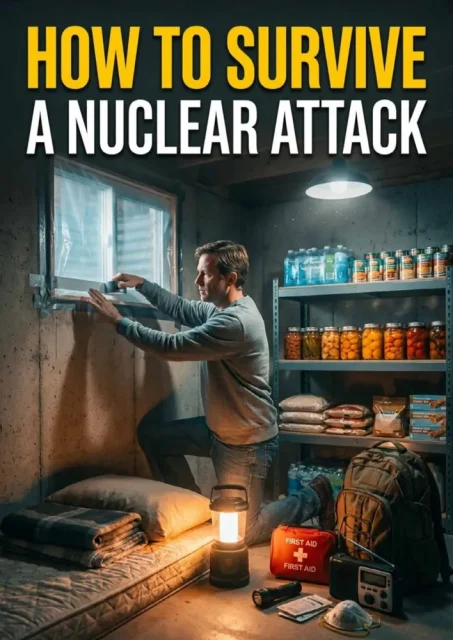
A nuclear emergency is one of the least likely events you will ever plan for, and one of the most survivable with the right knowledge. Official guidance emphasizes that simple actions, like getting inside quickly and staying there, dramatically reduce radiation exposure. How to Survive a Nuclear Attack explains those actions and the reasoning behind them in plain language.
The introduction reflects on the lessons of Hiroshima and Nagasaki. Chapter 1 then explains nuclear weapons and their effects, and puts them in context alongside biological and chemical threats. Chapter 2 covers nuclear fallout and radiation: how radiation works, its health effects, the classification of ionizing radiation and the different kinds of radiation you may hear about.
Chapter 3 is the heart of the book, built around the widely taught steps of Go In, Stay In and Tune In. It explains getting into the nearest sturdy building, moving to a basement or central room away from outside walls, decontaminating by removing outer clothing and washing, staying sheltered for at least 24 to 48 hours unless officials say otherwise, and listening for instructions. It also covers food, finding and purifying water, and shelter during this period.
Chapter 4 focuses on protecting your home: preparing and securing it, stocking a fallout shelter, shelter hygiene and why you should not rely on modern communication devices. It also outlines the considerations for building a bunker at home, from soil type and buried cables and pipes to waterproofing, soundproofing, concealment and equipping. Chapter 5 covers what to store, including potassium iodide and the importance of taking it only when public health officials instruct, and how to use a Geiger counter to check radiation levels. Chapter 6 addresses storing water and keeping food safe after a detonation.
The book aims to replace fear with a plan. Always follow instructions from local emergency officials, and review current guidance from your national emergency management and public health agencies.
The book follows the widely taught Go In, Stay In, Tune In approach. Get inside the nearest sturdy building as quickly as possible, move to a basement or the center of the building away from outside walls, stay there unless officials say otherwise, and listen for official instructions by battery or hand-crank radio.
Only when public health or emergency officials tell you to. Potassium iodide can help protect the thyroid from radioactive iodine but does not protect against other radiation, and it is not safe for everyone. The book discusses it as a storage item; always follow official instructions and speak with a healthcare provider about your household's needs.
No. Most of the guidance is about sheltering in an ordinary building: choosing the safest spot, stocking supplies, managing hygiene and keeping food and water safe. The bunker section is there for readers who want to consider a dedicated structure, which should always be planned with qualified professionals and local permits.
A complete guide to finding, purifying, storing and testing water, from rain barrels and DIY filters to emergency wells.
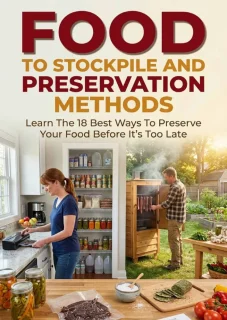
A practical pantry plan: essential emergency foods, staples that last for years and 18 preservation methods explained.
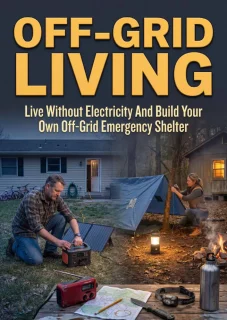
How to live without electricity: shelter, off-grid power, composting, heating and cooling, and staying healthy beyond the grid.
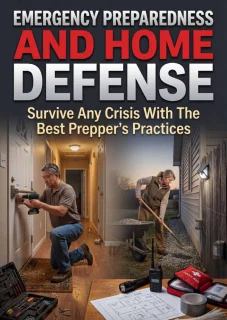
Turn supplies into a family plan: emergency kits, first aid, navigation without the internet and practical home security.
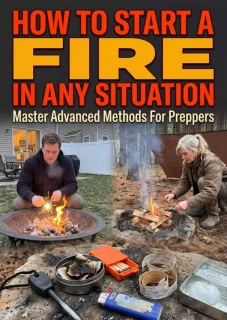
From flint and steel to a fire piston, learn reliable fire-starting methods for wet, windy, desert and forest conditions.
Turn fishing into a dependable food skill: gear, techniques, traps and nets, preservation and a year-round fishing plan.
Grow your own food, approach wild plants with caution and learn which herbs belong in a traditional home kit.
Twenty hands-on builds from everyday materials: water filters, stoves, lights, sanitation, signaling and small-scale power.