The Independent Homesteader
The big-picture guide to starting a homestead, from choosing land and reading soil to water, off-grid power, waste systems and simple builds.
The Homesteader’s Bible · 111 pages · PDF
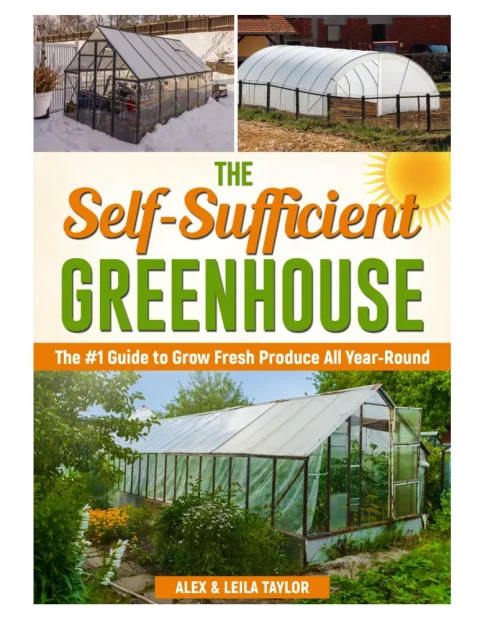
Plan, build and run a greenhouse for year-round vegetables, herbs, fruit and flowers
A start-to-finish guide to planning, building and growing in a greenhouse, with a year-round planting schedule and a hydroponics primer.
A greenhouse turns a short, unpredictable season into a long, reliable one. The Self-Sufficient Greenhouse covers the whole journey, from deciding whether you need one to planting a schedule that keeps something growing every month of the year. It is written for first-timers but goes far enough that you will still be reaching for it in your third season.
The early chapters explain what a greenhouse actually gives you: out-of-season production, higher yields and quality, more reliable crops and fewer pest and disease problems. You then compare attached, windowfarm and freestanding designs, work out what size to buy, where to position it, which floor to choose and whether glass or polycarbonate suits your climate and budget.
A ten-step construction chapter walks from greenhouse principles and materials through the foundation, frame, insulation, roof, windows, vented doors and finishing touches. The environment chapter explains heat, ventilation, cooling, humidity, shade, benches, min/max thermometers, lighting and irrigation, and the equipment chapter lists what is worth buying: heaters, climate controls, misting systems, downpipe kits, shelving, growing racks, shade cloth and automatic vent openers.
Growing chapters cover germination, planting medium, containers, sowing and sterile conditions, followed by a full section on seeds: types, care, transplanting seedlings, troubleshooting and sourcing. Crop chapters include flowers such as African violets, Chinese hibiscus, roses and orchids; vegetables with successive planting and cold-climate tips; herbs including dill and basil; and fruit such as grapes, peaches and nectarines, citrus and strawberries. A hydroponics chapter lays out the benefits and downsides and answers common questions.
The book closes with a growing guide and planting schedule for year-round harvests, plus a chapter on selling surplus through different tiers, marketing and framing, so a productive greenhouse can also pay its way.
Yes. It compares greenhouse types, sizes, floors and glazing materials so you can judge what fits your space and budget, then gives a ten-step construction sequence if you decide to build. The equipment chapter also helps you plan the accessories, such as heaters, vent openers and shade cloth, that either option will need.
The book includes a section on greenhouse gardening in cold climates, advice on heating, insulation and ventilation, successive planting, and a year-round growing guide and planting schedule. What you can grow in deep winter still depends on your climate, heating and light, so use the schedule as a framework and adapt it to your conditions.
Hydroponics gets its own chapter explaining what it is, its benefits and downsides, and answers to the most common beginner questions. It is an introduction rather than a full hydroponic system manual, which makes it a good way to decide whether a hydroponic setup is worth adding to your greenhouse.
The big-picture guide to starting a homestead, from choosing land and reading soil to water, off-grid power, waste systems and simple builds.
A compact, candid guide to turning homestead surplus into income, from gifting and farm stands to selling as a small merchant or commodity farmer.
Grow vegetables, herbs, microgreens, ornamentals and even dwarf citrus in pots, with chapters on companion planting, feeding, pests and harvest.
A quick, focused guide to spotting common greenhouse pests and diseases and managing them with natural, chemical-free methods.
Everything a first-time flock owner needs, from local laws and breed choice to coops, feed, health, brooding, eggs and running a small poultry business.
A savory canning cookbook with 66 recipes for stocks, soups, sauces, poultry, red meat, pork and fish, plus the basics of equipment and safety.
A complete pressure canning cookbook with 109 recipes, clear safety chapters on botulism and altitude, and a bonus printable altitude and conversion chart.
101 recipes that explain the difference between fermenting and pickling, from sauerkraut and kimchi to dill pickles, kombucha, yogurt and chutneys.