The Independent Homesteader
The big-picture guide to starting a homestead, from choosing land and reading soil to water, off-grid power, waste systems and simple builds.
The Homesteader’s Bible · 20 pages · PDF
Identify and manage greenhouse pests and diseases naturally
A quick, focused guide to spotting common greenhouse pests and diseases and managing them with natural, chemical-free methods.
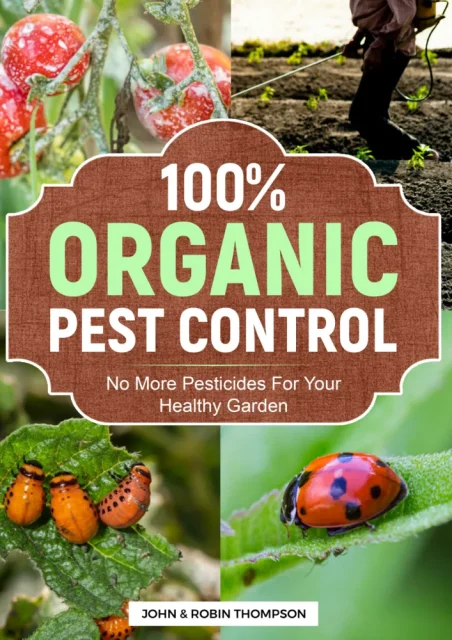
A warm, humid greenhouse is perfect for plants, and unfortunately just as perfect for the insects that eat them. Without birds and other natural predators around, a handful of aphids can become a full-blown infestation faster indoors than out. 100% Organic Pest Control is a short, focused guide that helps you recognize trouble early and respond without reaching for synthetic sprays.
Rather than an alphabetical list of bugs, the guide groups pests by how they feed, which makes it easier to diagnose what you are seeing. Sap-feeding insects such as aphids, whiteflies and scale weaken plants and leave sticky honeydew that invites sooty mold. Pollen feeders such as thrips scar flowers and reduce fruit set. Leaf eaters, including caterpillars, beetles and slugs, chew holes that cut into a plant's ability to photosynthesize. For each group you get identification tips, the typical damage and a set of natural controls.
The methods are practical and layered: introducing beneficial insects such as ladybugs, lacewings, hoverflies, pirate bugs, predatory mites and parasitic wasps; companion plants like marigolds and chives; diluted neem oil; yellow and blue sticky traps; row covers and netting; hand-picking; diatomaceous earth; and copper barriers for slugs. A closer look at aphids, mites, whiteflies, thrips, shore flies, fungus gnats, slugs and caterpillars follows.
The guide also introduces three common categories of greenhouse plant disease, fungal, bacterial and viral, so you can tell a pest problem from an infection. It closes with ten natural prevention habits, including diverse planting, healthy soil, regular monitoring, clean gardening practices, proper spacing for airflow, crop rotation and choosing resistant varieties.
At 20 pages it is designed as a quick reference you can keep open on a tablet in the greenhouse. It works especially well alongside The Self-Sufficient Greenhouse.
It is written with greenhouses in mind, because their warm, enclosed conditions make pest outbreaks faster and more common. Most of the identification tips and natural controls, such as beneficial insects, companion planting, sticky traps, row covers and good spacing, apply equally to outdoor beds, raised gardens and containers.
It is a concise 20-page PDF meant to be used as a quick reference. You can read it in under an hour, then return to the specific pest section when you spot a problem. For the broader greenhouse picture, pair it with The Self-Sufficient Greenhouse in this collection.
The guide recommends diluted neem oil as a lower-impact option alongside non-spray methods such as traps, barriers and beneficial insects. Any product, natural or not, should be used according to its label, tested on a few leaves first and applied at times that avoid harming pollinators and beneficial insects.
The big-picture guide to starting a homestead, from choosing land and reading soil to water, off-grid power, waste systems and simple builds.
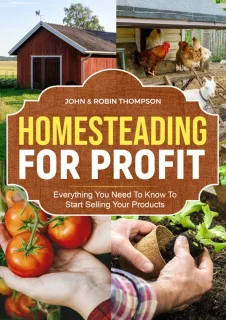
A compact, candid guide to turning homestead surplus into income, from gifting and farm stands to selling as a small merchant or commodity farmer.
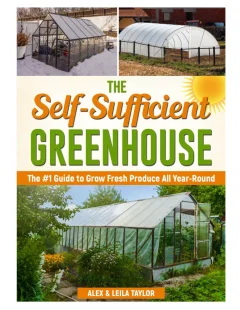
A start-to-finish guide to planning, building and growing in a greenhouse, with a year-round planting schedule and a hydroponics primer.
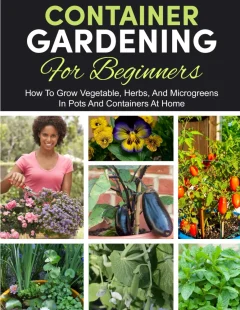
Grow vegetables, herbs, microgreens, ornamentals and even dwarf citrus in pots, with chapters on companion planting, feeding, pests and harvest.
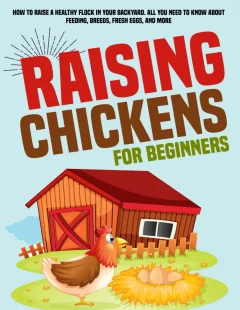
Everything a first-time flock owner needs, from local laws and breed choice to coops, feed, health, brooding, eggs and running a small poultry business.
A savory canning cookbook with 66 recipes for stocks, soups, sauces, poultry, red meat, pork and fish, plus the basics of equipment and safety.
A complete pressure canning cookbook with 109 recipes, clear safety chapters on botulism and altitude, and a bonus printable altitude and conversion chart.
101 recipes that explain the difference between fermenting and pickling, from sauerkraut and kimchi to dill pickles, kombucha, yogurt and chutneys.