The Independent Homesteader
The big-picture guide to starting a homestead, from choosing land and reading soil to water, off-grid power, waste systems and simple builds.
The Homesteader’s Bible · 134 pages · PDF
66 recipes for jarred soups, stocks, sauces, poultry, meat and fish
A savory canning cookbook with 66 recipes for stocks, soups, sauces, poultry, red meat, pork and fish, plus the basics of equipment and safety.
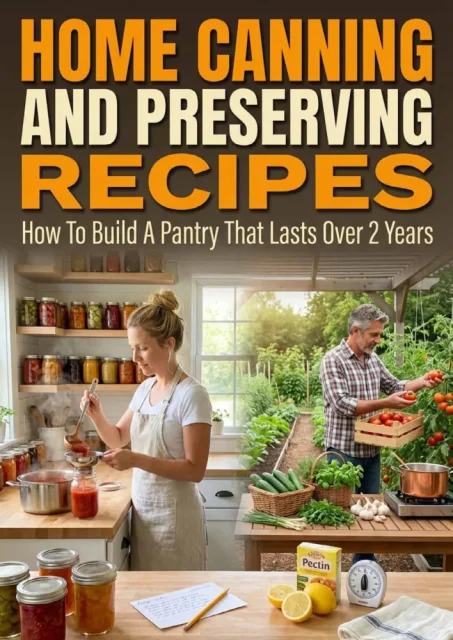
Jam and pickles get most of the attention, but the jars that matter most on a busy weeknight are the savory ones: a quart of beef stew, a pint of chicken, homemade stock ready for soup. Home Canning & Preserving Recipes is built around exactly those foods. Its 66 recipes focus on hearty, protein-rich meals you can put up in a pressure canner and open when you need dinner fast.
Chapter one covers the basics. It explains the difference between a water-bath canner, used for high-acid foods at boiling temperature, and a pressure canner, which reaches the roughly 240°F needed to safely process low-acid foods such as meat, poultry, fish and most vegetables. You will find guidance on choosing jar sizes, preparing jars and lids, removing air bubbles, wiping rims, cooling jars naturally and checking seals, plus three core safety rules: use the correct canner, use the best ingredients and stick to the recipe.
A measurement conversion table rounds out the book.
Low-acid foods can harbor Clostridium botulinum spores that survive boiling, so every meat, poultry, fish and vegetable recipe here belongs in a pressure canner, with pressure adjusted for your altitude. Home canning science is refined over time, so compare each recipe with the current USDA Complete Guide to Home Canning or the National Center for Home Food Preservation, and add dairy, flour or other thickeners when you reheat, not before canning.
For almost all of them, yes. Meat, poultry, fish, stocks and soups are low-acid foods, and USDA guidance says they must be processed in a pressure canner to reach temperatures that destroy botulism spores. A water-bath canner is only suitable for high-acid foods such as fruit, jams and properly acidified pickles.
This cookbook concentrates on savory meats, poultry, fish, stocks and soups. Pressure Canning for Preppers is larger, with 109 recipes including vegetables, beans and legumes and fruit preserves, deeper chapters on botulism and altitude, and a separate printable altitude and conversion chart. Many canners use both.
Yes. At higher elevations water boils at a lower temperature, so pressure canners need more pressure to reach the same heat. Current USDA guidance for weighted-gauge canners generally uses 10 pounds up to 1,000 feet and 15 pounds above that, with dial gauges rising in smaller steps. Always confirm with an official chart for your food and elevation.
The big-picture guide to starting a homestead, from choosing land and reading soil to water, off-grid power, waste systems and simple builds.
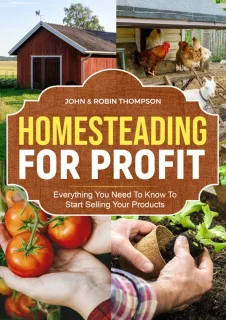
A compact, candid guide to turning homestead surplus into income, from gifting and farm stands to selling as a small merchant or commodity farmer.
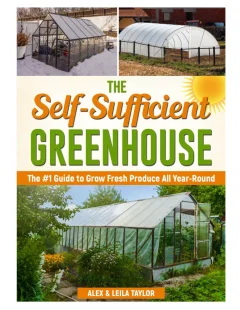
A start-to-finish guide to planning, building and growing in a greenhouse, with a year-round planting schedule and a hydroponics primer.
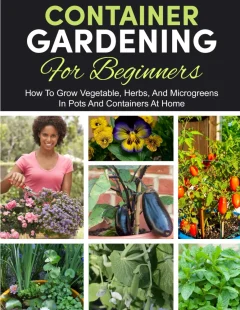
Grow vegetables, herbs, microgreens, ornamentals and even dwarf citrus in pots, with chapters on companion planting, feeding, pests and harvest.
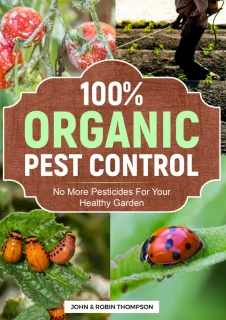
A quick, focused guide to spotting common greenhouse pests and diseases and managing them with natural, chemical-free methods.
Everything a first-time flock owner needs, from local laws and breed choice to coops, feed, health, brooding, eggs and running a small poultry business.
A complete pressure canning cookbook with 109 recipes, clear safety chapters on botulism and altitude, and a bonus printable altitude and conversion chart.
101 recipes that explain the difference between fermenting and pickling, from sauerkraut and kimchi to dill pickles, kombucha, yogurt and chutneys.