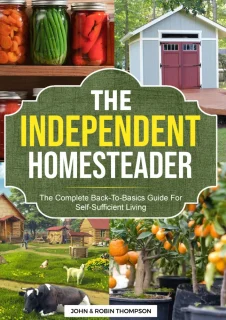
The Independent Homesteader
The big-picture guide to starting a homestead, from choosing land and reading soil to water, off-grid power, waste systems and simple builds.
The Homesteader’s Bible · 285 pages · PDF
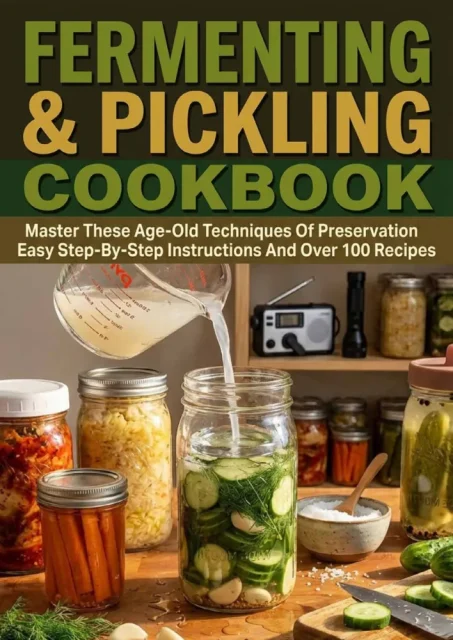
101 recipes for fermented vegetables, drinks, dairy, chutneys, pickles, kimchi and sauerkraut
101 recipes that explain the difference between fermenting and pickling, from sauerkraut and kimchi to dill pickles, kombucha, yogurt and chutneys.
Fermenting and pickling are two of the oldest ways to keep food, and two of the most rewarding. A crock of sauerkraut on the counter, a fizzy bottle of homemade ginger ale, a jar of spiced beets in the pantry: these are simple projects that transform ordinary produce. The Fermenting & Pickling Cookbook explains both techniques side by side and then gives you 101 recipes to practice them.
The opening chapters explain what fermentation is, the tools you need and how the process unfolds, with practical tips for success. You learn the three main types of fermentation, lactic acid, alcohol and acetic acid, and how each shapes flavor. The pickling chapters explain how pickling works, the step-by-step process and equipment, and compare four approaches: quick pickling, salt-brined pickling, soak-and-rinse vinegar-brine pickling and fermentation pickling. A dedicated chapter lays out the differences between fermenting and pickling so you know which method a recipe relies on.
Fermented fruits and vegetables include fermented plums, pears, cherries, mango, bell peppers and onions, a cultured carrot-radish blend and a broccoli-cauliflower duo. Dairy and cultured recipes include buttermilk, coconut milk yogurt, kefir, yogurt, sour cream and tzatziki. The drinks chapter is a favorite, with unflavored kombucha, grape and blackberry wine, fermented blueberry soda, bubbly lemonade, easy root beer, ginger ale and a lemon lime fizz. A chapter of traditional fermented meats and fish is also included for experienced fermenters.
The pickling half opens with chutneys, salsas and relishes such as apple ginger chutney, cinnamon-plum chutney, green tomato salsa and sweet pickle relish. Fruit and vegetable pickles include dill pickles, spiced beets, chunky zucchini pickles, pickled peaches and pickled jalapeño slices. The final chapter is devoted to kimchi and cabbage pickles: cabbage sauerkraut, cucumber kimchi, white kimchi, water kimchi, carrot kimchi and pickled red cabbage.
Conversion tables close the book. If you shelf-can any pickle or salsa, use a tested recipe with the acidity it specifies and follow current USDA water-bath guidance for your altitude.
Fermenting relies on beneficial microbes, usually lactic acid bacteria, to sour food in a salty brine over days or weeks. Pickling preserves food in an acidic liquid, most often vinegar. Some pickles are both. The book devotes a full chapter to the differences and labels its recipes as fermenting or pickling so you know which process you are using.
Not much. Many ferments need only clean glass jars, a weight to keep vegetables under the brine and a loose lid or airlock. The book's tools chapter explains optional extras such as crocks and fermentation kits. Canning shelf-stable pickles additionally requires a water-bath canner and new lids.
Refrigerator and quick pickles should stay chilled. For shelf storage, pickles, relishes and salsas must be properly acidified and processed in a water-bath canner using a tested recipe, with time adjusted for altitude. Check current USDA or National Center for Home Food Preservation guidance before shelf-canning any recipe.
The big-picture guide to starting a homestead, from choosing land and reading soil to water, off-grid power, waste systems and simple builds.
A compact, candid guide to turning homestead surplus into income, from gifting and farm stands to selling as a small merchant or commodity farmer.
A start-to-finish guide to planning, building and growing in a greenhouse, with a year-round planting schedule and a hydroponics primer.
Grow vegetables, herbs, microgreens, ornamentals and even dwarf citrus in pots, with chapters on companion planting, feeding, pests and harvest.
A quick, focused guide to spotting common greenhouse pests and diseases and managing them with natural, chemical-free methods.
Everything a first-time flock owner needs, from local laws and breed choice to coops, feed, health, brooding, eggs and running a small poultry business.
A savory canning cookbook with 66 recipes for stocks, soups, sauces, poultry, red meat, pork and fish, plus the basics of equipment and safety.
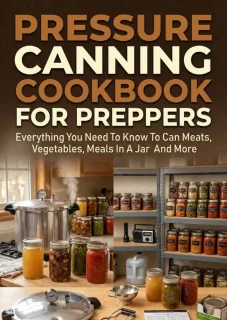
A complete pressure canning cookbook with 109 recipes, clear safety chapters on botulism and altitude, and a bonus printable altitude and conversion chart.