Food to Stockpile & Preservation Methods
A practical pantry plan: essential emergency foods, staples that last for years and 18 preservation methods explained.
The Prepper’s Survival Bible · 104 pages · PDF
Find, purify, store and test water for your family's emergency supply
A complete guide to finding, purifying, storing and testing water, from rain barrels and DIY filters to emergency wells.
You can go weeks without food but only days without water, which is why a reliable supply is the first thing any preparedness plan should secure. Water Storage for Preppers is a 104-page guide that covers the whole cycle: understanding why water matters, finding and capturing it, making it safe, storing it properly and checking that it stays clean.
The book opens with the body's need for water: the stages of dehydration, what happens after three days without it, and the disasters that most often interrupt a municipal supply. From there it moves into practical work. You will learn where to look for water in the wild and why untreated sources are risky, then how to set up rainwater capture with a drum rain barrel and gutter diverter kit.
A full chapter explains the difference between filtration and purification, walks you through building your own water filter, and covers chlorine treatment alongside modern purification technologies. The storage chapter answers the questions every prepper asks: how much water to keep per person, how to clean and prepare containers, whether distilled, spring or tap water stores best, and when to rotate your stocks.
For households that want independence beyond stored containers, the guide explains shallow and deep wells, basic steps for drilling an emergency well, and the different pump types you can use. It also covers greywater recycling for non-potable uses such as flushing and irrigation. The final chapters focus on water quality: common contaminants, natural threats, simple color and odor checks, formal testing, and an overview of waterborne illnesses and the precautions that help prevent them.
Well drilling and water treatment rules vary by location, so the book is best used alongside your local health department's current guidance. As a planning companion, it gives you a clear, organized path from an empty shelf to a supply you can trust.
Yes. Chapter 3 covers how much water you need to store, along with container options, cleaning and preparing containers, and rotation schedules. As a general benchmark, emergency agencies recommend at least one gallon per person per day for several days, and more for hot climates, children, nursing mothers and pets. Always check current guidance from your local emergency management office.
Yes. The purification chapter includes instructions for building your own water filter and explains why filtering alone is not the same as purifying. It pairs the project with guidance on chlorine treatment and modern purification technologies, so you understand when a filtered water source still needs disinfection before drinking.
It does. Chapter 4 describes shallow and deep wells, the main types and their characteristics, basic instructions for drilling an emergency well and an overview of pumps. Well construction is regulated in many areas, so check local permits and have well water tested by a certified laboratory before relying on it for drinking.
A practical pantry plan: essential emergency foods, staples that last for years and 18 preservation methods explained.
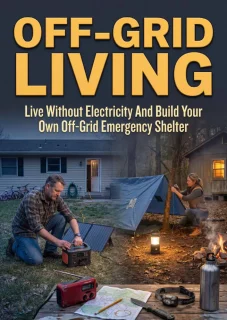
How to live without electricity: shelter, off-grid power, composting, heating and cooling, and staying healthy beyond the grid.
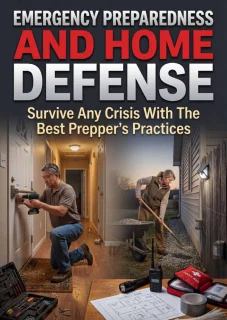
Turn supplies into a family plan: emergency kits, first aid, navigation without the internet and practical home security.
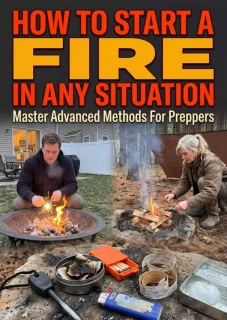
From flint and steel to a fire piston, learn reliable fire-starting methods for wet, windy, desert and forest conditions.
Turn fishing into a dependable food skill: gear, techniques, traps and nets, preservation and a year-round fishing plan.
Grow your own food, approach wild plants with caution and learn which herbs belong in a traditional home kit.
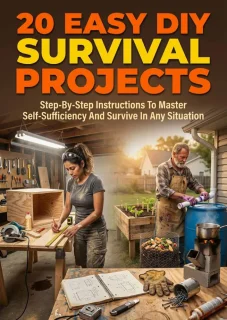
Twenty hands-on builds from everyday materials: water filters, stoves, lights, sanitation, signaling and small-scale power.
The financial side of a long grid-down event: budgeting, emergency funds, documents, bartering and recovery.