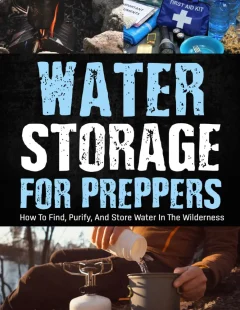
Water Storage for Preppers
A complete guide to finding, purifying, storing and testing water, from rain barrels and DIY filters to emergency wells.
The Prepper’s Survival Bible · 59 pages · PDF
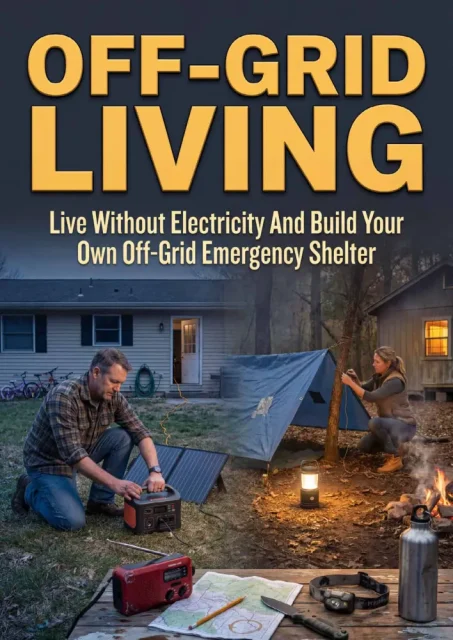
Live without electricity and build your own off-grid emergency shelter
How to live without electricity: shelter, off-grid power, composting, heating and cooling, and staying healthy beyond the grid.
When the electricity goes out, so do many of the systems we take for granted: heating, refrigeration, communication and sometimes water. Off-Grid Living is a practical guide to keeping a household running without the grid, whether that is for a week-long outage or as a longer-term lifestyle choice.
The introduction goes straight to what matters in a power outage: which services stop working, what to do immediately, and a set of tips for living without electricity, from learning to shut off gas and water valves to setting up a bucket toilet, backup heat and alternative cooking. Chapter 1 then covers communication, hygiene and health when you are living off-grid.
Chapter 2 is about constructing your shelter. It covers choosing the right place to build, using passive solar energy, underground shelter options, when temporary shelters make more sense, creating a greener home, building a home bunker and setting up an affordable survival cache.
Chapter 3 describes eleven composting methods, including open air, hot and cold composting, bokashi, tumblers, vermicomposting and EMO composting, so you can turn waste into soil for your garden. Chapter 4 compares standby generators, battery packs and natural energy sources, with tips for using electricity efficiently in an off-grid home.
Staying comfortable is a safety issue. The heating chapter looks at wood-burning stoves and fireplaces, kerosene and propane heaters, rocket mass heaters, whole-house generators, solar thermal and geothermal heating, plus how to stay warm through a winter power outage. It also covers passive cooling for hot climates. The book closes with the human side: building connections beyond the grid, mental and emotional well-being, and thriving as part of a community.
Fuel-burning heaters and generators can produce carbon monoxide, so always follow manufacturer instructions, run generators outdoors away from windows and install CO alarms.
Solar is one option discussed among several. The power chapter compares standby generators, battery packs and natural energy sources, and the heating chapter includes solar thermal. The main focus, though, is living well without conventional electricity: heat, sanitation, hygiene, shelter and daily routines when the grid is not available.
Yes. Chapter 2 covers choosing a location, passive solar design, underground shelters, temporary shelters, building a home bunker and setting up a survival cache. Check local building codes, permits and soil conditions, and consult qualified professionals before any major construction or excavation project.
The book compares wood, kerosene, propane, rocket mass, solar and geothermal heating and explains how to stay warm during a winter outage. Any fuel-burning appliance carries carbon monoxide and fire risks, so follow manufacturer instructions, ventilate properly and keep working smoke and CO alarms in your home.
A complete guide to finding, purifying, storing and testing water, from rain barrels and DIY filters to emergency wells.
A practical pantry plan: essential emergency foods, staples that last for years and 18 preservation methods explained.
Turn supplies into a family plan: emergency kits, first aid, navigation without the internet and practical home security.
From flint and steel to a fire piston, learn reliable fire-starting methods for wet, windy, desert and forest conditions.
Turn fishing into a dependable food skill: gear, techniques, traps and nets, preservation and a year-round fishing plan.
Grow your own food, approach wild plants with caution and learn which herbs belong in a traditional home kit.
Twenty hands-on builds from everyday materials: water filters, stoves, lights, sanitation, signaling and small-scale power.
The financial side of a long grid-down event: budgeting, emergency funds, documents, bartering and recovery.