The Independent Homesteader
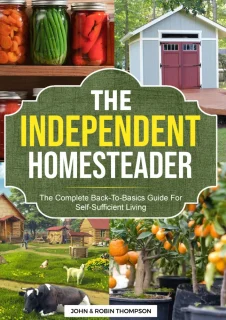
The big-picture guide to starting a homestead, from choosing land and reading soil to water, off-grid power, waste systems and simple builds.
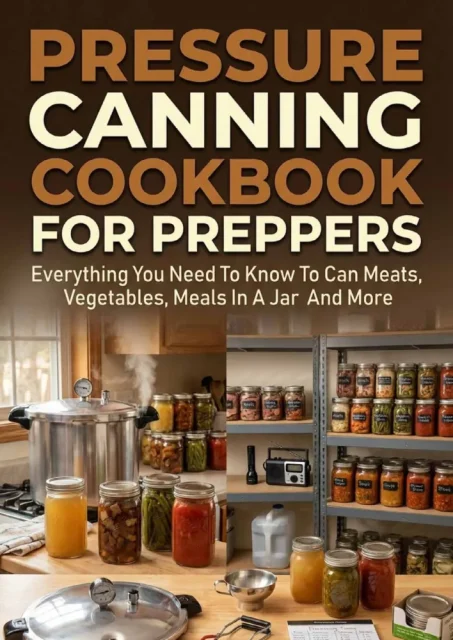
The Homesteader’s Bible · 279 pages · PDF
109 pressure canning recipes, a botulism safety guide and a bonus altitude and conversion chart
A complete pressure canning cookbook with 109 recipes, clear safety chapters on botulism and altitude, and a bonus printable altitude and conversion chart.
Plenty of people own a pressure canner and have never used it, usually because the gauges, vents and warnings feel intimidating. Pressure Canning for Preppers is written to get you past that point. It explains how the equipment works in plain language, focuses heavily on safety, and then gives you 109 recipes to put your new confidence to work.
The first chapter explains what pressure canning is, how a pressure canner builds heat, the types of canners and the full sequence of steps, followed by essential practices, common mistakes and important considerations. It covers why low-acid foods with a pH above 4.6, such as vegetables, meat, poultry and seafood, need temperatures of about 240°F that boiling water cannot reach, why a canner should vent for 10 minutes before pressurizing, and why dial gauges should be tested every year.
Chapter two is devoted entirely to avoiding botulism: how the bacteria behave, which conditions let them grow and which habits keep your jars safe. Chapter three lists the basic gear you need, and chapter four explains how altitude affects boiling temperature and processing pressure.
A separate 12-page chart PDF sets out pressure adjustments by elevation for weighted-gauge and dial-gauge canners in pounds and kilopascals, altitudes for major US and Canadian cities, and liquid, dry, weight and oven temperature conversions. Print it and keep it by the stove, and cross-check every recipe with current USDA or National Center for Home Food Preservation guidance before processing.
It is a separate 12-page printable reference. It lists pressure increases by altitude, a table of weighted-gauge and dial-gauge pressures by elevation in pounds and kilopascals, altitudes for the largest US and Canadian cities, and conversion tables for liquid and dry volume, weight and oven temperatures.
Boiling water tops out at about 212°F at sea level, which is not hot enough to destroy Clostridium botulinum spores in low-acid foods. A pressure canner raises the temperature to about 240°F. USDA guidance requires pressure canning for vegetables, meat, poultry, seafood and beans, and the book explains the science clearly.
The book follows core USDA principles, such as pressure canning low-acid foods, venting the canner and adjusting for altitude, but it is a recipe collection, not an official publication. Before processing, compare each recipe's jar size, pressure and time with current USDA or National Center for Home Food Preservation guidance, and use the tested process when they differ.
The big-picture guide to starting a homestead, from choosing land and reading soil to water, off-grid power, waste systems and simple builds.
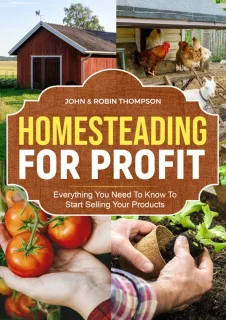
A compact, candid guide to turning homestead surplus into income, from gifting and farm stands to selling as a small merchant or commodity farmer.
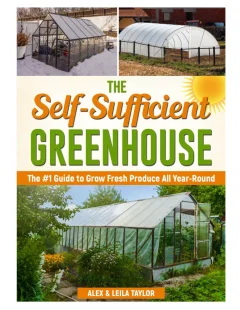
A start-to-finish guide to planning, building and growing in a greenhouse, with a year-round planting schedule and a hydroponics primer.
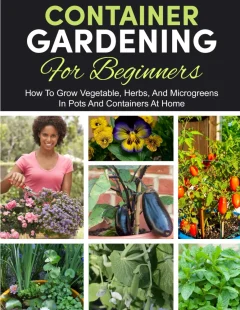
Grow vegetables, herbs, microgreens, ornamentals and even dwarf citrus in pots, with chapters on companion planting, feeding, pests and harvest.
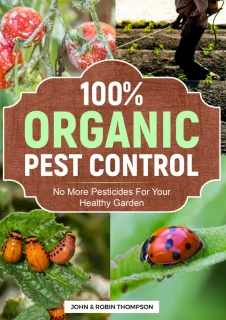
A quick, focused guide to spotting common greenhouse pests and diseases and managing them with natural, chemical-free methods.
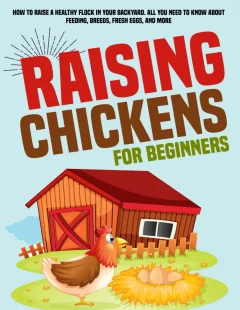
Everything a first-time flock owner needs, from local laws and breed choice to coops, feed, health, brooding, eggs and running a small poultry business.
A savory canning cookbook with 66 recipes for stocks, soups, sauces, poultry, red meat, pork and fish, plus the basics of equipment and safety.
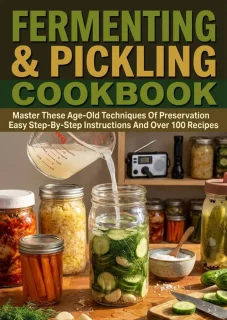
101 recipes that explain the difference between fermenting and pickling, from sauerkraut and kimchi to dill pickles, kombucha, yogurt and chutneys.